Water Damage Today Means Mold Problems Tomorrow
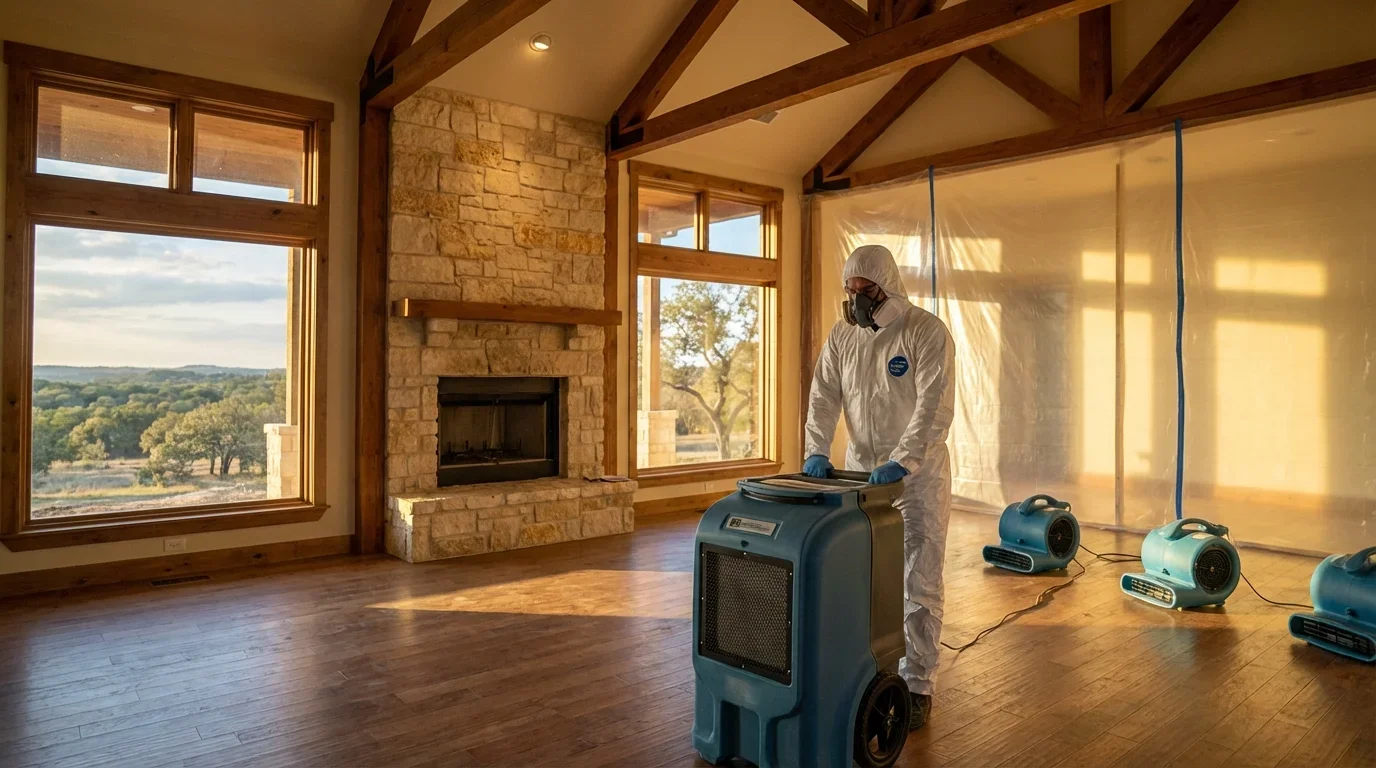
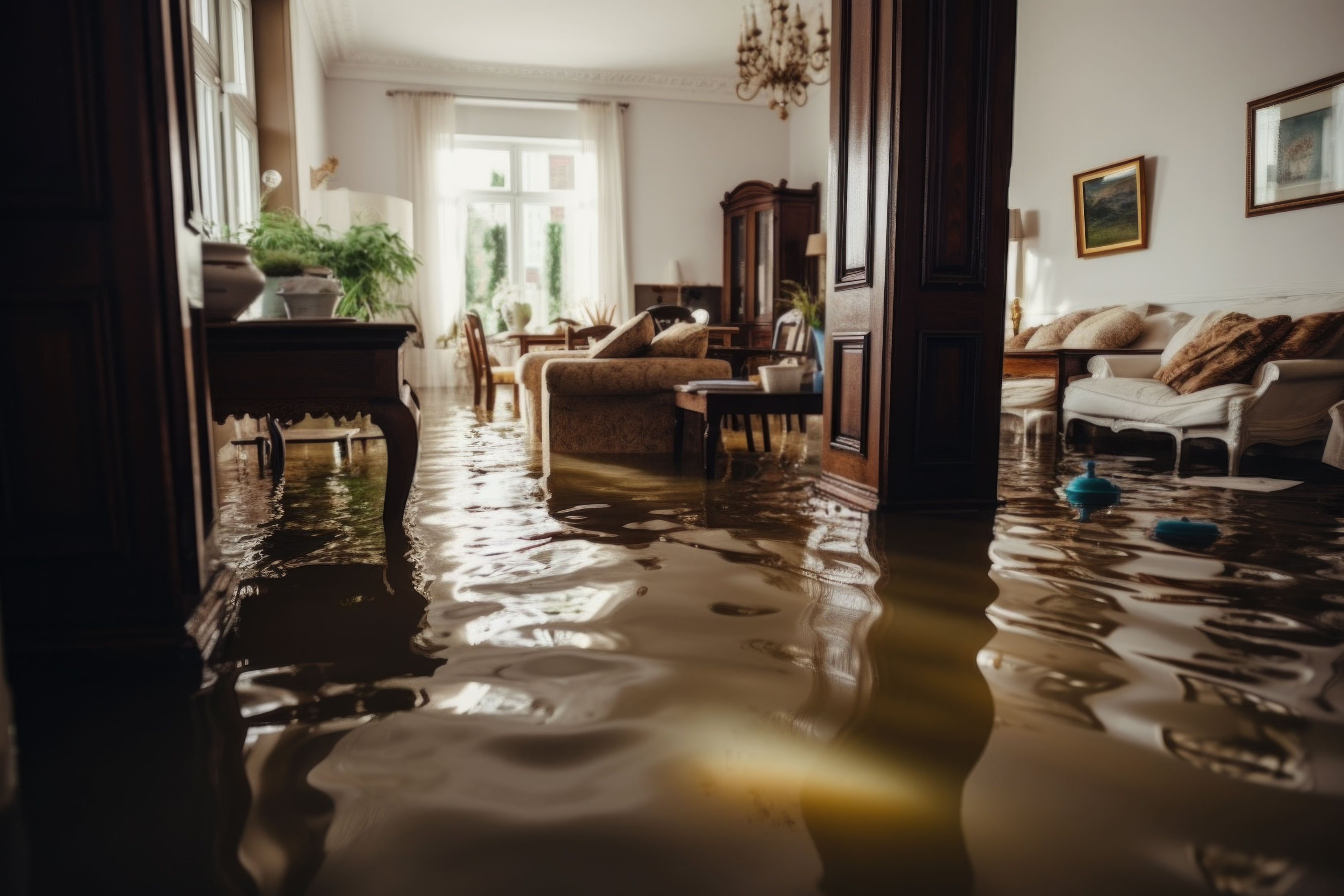
Every hour counts after water damage strikes your Texas property. Professional structural drying removes hidden moisture before mold takes hold.
- Industrial equipment dries what towels can't reach
- Prevent costly mold remediation down the line
- Thermal imaging finds moisture you can't see
⚠ Common Issues
When Do You Need Emergency Structural Drying?
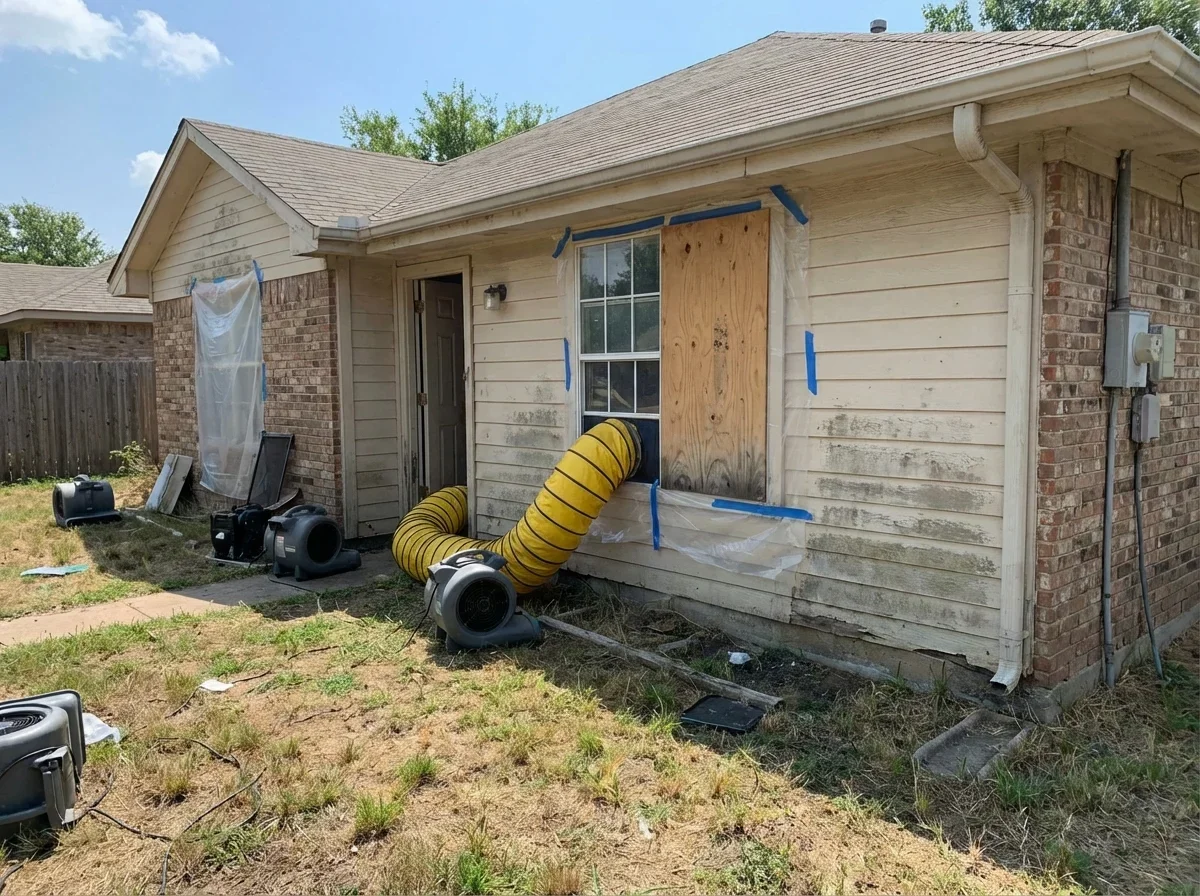
You need professional structural drying the moment water penetrates beyond surface materials. A wet carpet you can see is one thing. Saturated drywall cavities, soaked insulation, and waterlogged subfloors are invisible threats that house fans and shop vacs can't address.
The 24-48 hour window is real. Mold spores begin colonizing on wet building materials within this timeframe, especially in Texas humidity. Houston and Corpus Christi property owners face accelerated timelines during summer months when humidity stays above 70%.
Watch for these indicators:
- Standing water that took more than 30 minutes to extract
- Water damage affecting multiple rooms or floors
- Visible moisture wicking up walls or spreading across ceilings
- Musty odors developing within 24-48 hours after water intrusion
- Flooring that feels spongy or shows buckling/cupping
- Hurricane or tropical storm flooding (common along the Gulf Coast)
The damage continues after the water disappears. Structural materials like drywall and wood framing hold moisture for weeks without industrial drying equipment, creating perfect conditions for mold growth and wood rot.
Texas weather events—from Dallas flash floods to Houston hurricane remnants—regularly create conditions requiring immediate structural drying. Burst pipes in Fort Worth winter freezes, roof leaks during San Antonio storm season, and foundation seepage all demand professional moisture extraction from building materials.
$ Cost Guide
What Does Structural Drying Cost in Texas?
Structural drying in Texas ranges from $500-$1,500 for isolated leaks affecting single rooms to $3,000-$10,000+ for major flooding events. Hurricane-damaged properties along the Gulf Coast regularly exceed $15,000 when entire homes require drying.
| Water Damage Scope | Equipment Duration | Typical Cost Range |
|---|---|---|
| Small leak (bathroom, under sink) | 2-4 days | $500 - $1,500 |
| Medium damage (multiple rooms, burst pipe) | 4-7 days | $2,000 - $4,500 |
| Major flooding (whole floor, storm damage) | 7-14 days | $5,000 - $10,000+ |
| Commercial property or multi-story | 10-21 days | $10,000 - $30,000+ |
Pricing Factors by Water Damage Class
Class determines equipment intensity. Class 1 jobs use minimal equipment. Class 4 flooding in Houston or Dallas requires specialty desiccant dehumidifiers, trailer-mounted units, and extensive air mover arrays—doubling or tripling equipment costs.
Accessibility affects pricing significantly. Crawl space drying costs more per square foot than open basement work. Wall cavity drying requires controlled demolition to access saturated insulation and framing.
Equipment and Monitoring Costs
Daily equipment rental, electricity consumption (industrial dehumidifiers draw 10-15 amps continuously), and twice-daily technician visits drive ongoing costs. A typical 2,000 sq ft water damage job uses 6-10 air movers and 2-3 commercial dehumidifiers running 24/7.
Insurance Coverage Considerations
Most Texas homeowners policies cover sudden water damage (burst pipes, storm damage) but exclude gradual leaks and flood damage without separate flood insurance. Contractors provide detailed moisture logs, thermal imaging reports, and daily documentation your insurer requires for claims processing.
Professional structural drying often integrates with mold remediation when moisture sat longer than 48-72 hours. Combined service pricing runs $6,000-$15,000 for moderate projects, but addressing both simultaneously saves property owners from paying mobilization costs twice.
Proper surface drainage—sloping 6 inches within 10 feet of foundations per Texas standards[2]—prevents many structural drying emergencies before they start. Prevention costs far less than emergency response.
→ What to Expect
The Structural Drying Process
Professional structural drying follows IICRC S500 standards, which establish specific moisture content targets: wood materials must reach 15-19% moisture content, concrete 5-7%.[3] This isn't guesswork—it's scientific moisture removal using calibrated equipment and daily monitoring.
Initial Assessment and Moisture Mapping
Your contractor starts with thermal imaging and moisture meters to identify all affected areas. Water travels through wall cavities, under flooring, and into ceiling spaces you can't see. This mapping determines the water damage class (1-4) and drives equipment selection.
Class 1 jobs involve minimal absorption in small areas. Class 4 damage—like hurricane flooding in Galveston or burst pipe floods in Austin—requires specialty drying for hardwood, plaster, and deep moisture penetration.
Equipment Deployment Strategy
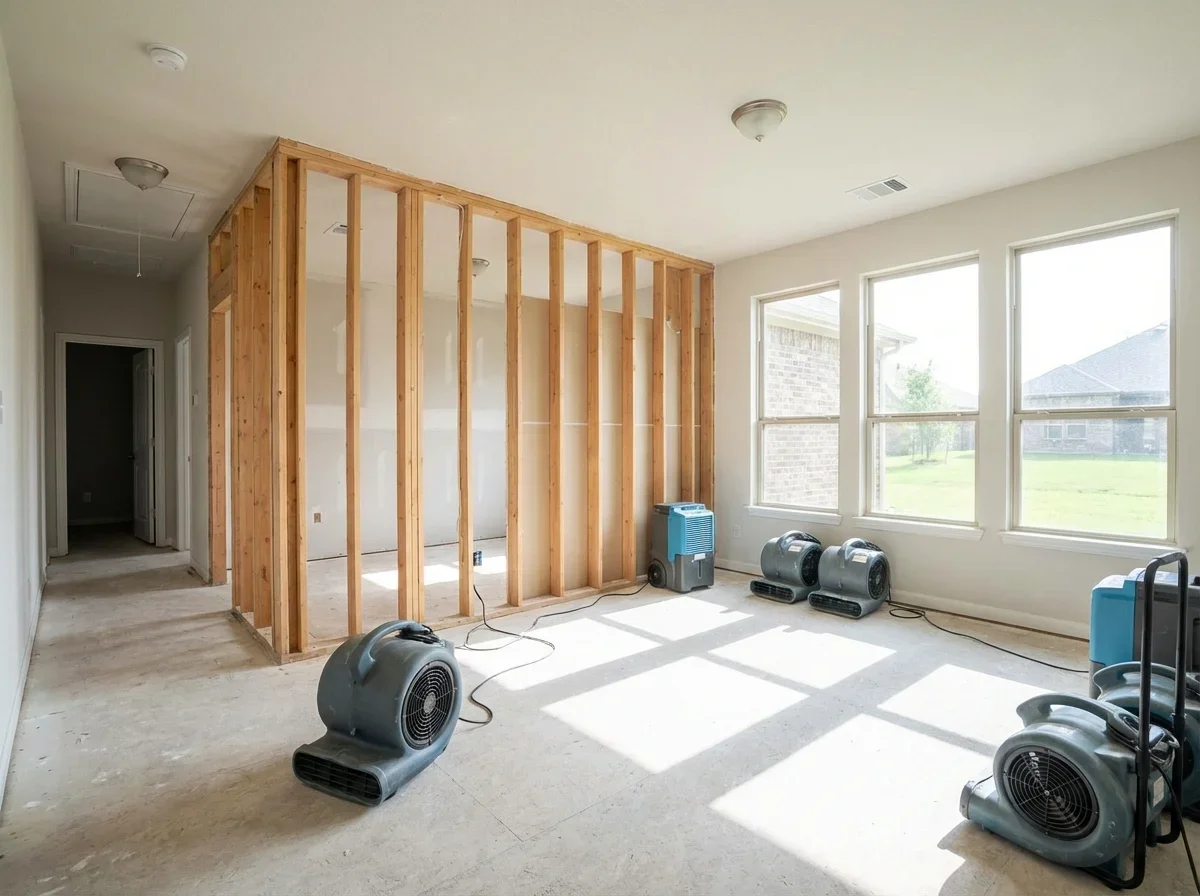
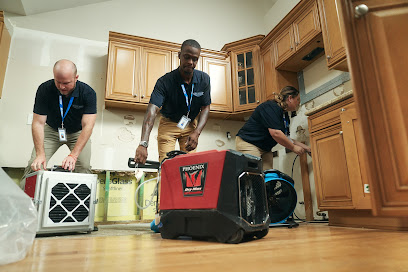
| Equipment Type | Purpose | Typical Deployment | |---|---| | Refrigerant Dehumidifiers | General moisture removal | 1 per 500-1,000 sq ft | | Desiccant Dehumidifiers | Low-grain refrigerant for faster drying | Severe flooding, crawl spaces | | Axial Air Movers | Surface drying, evaporation acceleration | 1 per 200-300 sq ft | | Centrifugal Air Movers | Targeted drying in tight spaces | Wall cavities, under cabinets |
Air movers create rapid air movement across wet surfaces (measured in CFM—cubic feet per minute). Dehumidifiers pull moisture from the air. This combination accelerates evaporation while preventing moisture redistribution throughout your property.
Daily Monitoring and Documentation
Technicians record moisture readings twice daily, documenting progress toward IICRC dryness standards. This creates the paper trail your insurance company requires and proves when structural materials have reached safe moisture levels. Texas properties typically require 3-7 days of continuous drying depending on materials affected and humidity conditions.
Texas building codes require proper moisture control in new construction,[1] and these same principles guide remediation work—ensuring materials return to safe, stable moisture levels that prevent future problems.
✓ Choosing a Contractor
How to Choose a Structural Drying Company
Texas doesn't require specific structural drying licenses, but IICRC Water Damage Restoration (WRT) certification is the industry standard that separates qualified contractors from guys with rental equipment. TDLR mold remediation licensing matters when drying overlaps with mold concerns.
Questions to Ask
- Do you hold current IICRC Water Damage Restoration certification? (Verify technician names and cert numbers)
- What's your emergency response time? (2-4 hours is standard for the Houston/Dallas metro areas)
- What moisture monitoring protocol do you follow? (Should reference IICRC S500 standards and specific dryness targets)
- Can you provide detailed daily moisture logs and thermal imaging? (Essential for insurance documentation)
- What size dehumidifiers and air movers do you deploy? (Specific CFM ratings and coverage area capacity)
- Do you provide post-remediation verification or third-party clearance testing? (Important when mold is present)
Red Flags That Signal Problems
- "We'll just set up some fans and dehumidifiers" without moisture mapping
- No written drying plan or daily monitoring schedule
- Estimates without on-site assessment and moisture readings
- Inability to explain water damage classification system
- No mention of IICRC standards or industry protocols
Texas contractors handling insurance claim mold services should coordinate directly with your adjuster, providing documentation that meets carrier requirements. This includes photographic evidence, moisture content logs, and equipment placement diagrams.
Compare 3-4 certified contractors from this directory. Check response times, equipment capacity for your property size, and whether they offer integrated services like water damage mold removal when structural drying reveals deeper problems. The right contractor turns a disaster into documented, professional recovery.
Top Contractors for Structural Drying
View all →

Frequently Asked Questions
- Cornell Law School / Texas Administrative Code. "10 Tex. Admin. Code § 80.22 - Generic Standards for Moisture and Ground Vapor Controls." https://www.law.cornell.edu/regulations/texas/10-Tex-Admin-Code-SS-80-22. Accessed April 02, 2026.
- Texas Department of Housing and Community Affairs (TDHCA). "Texas Minimum Construction Standards." https://www.tdhca.state.tx.us/single-family/training/docs/14-TMCS.pdf. Accessed April 02, 2026.
- Texas State Law Library. "Building Codes - Guides at Texas State Law Library." https://guides.sll.texas.gov/building-codes/texas. Accessed April 02, 2026.