Protect Your Investment Before Mold Becomes a Lawsuit
Texas humidity doesn't care about your vacancy rate. Get certified mold inspections that settle tenant disputes and keep properties rent-ready.
- Fast reports for insurance and legal claims
- Unbiased testing that stands up in court
- Catch problems before turnover costs explode
⚠ Common Issues
When Landlords Need Mold Inspection
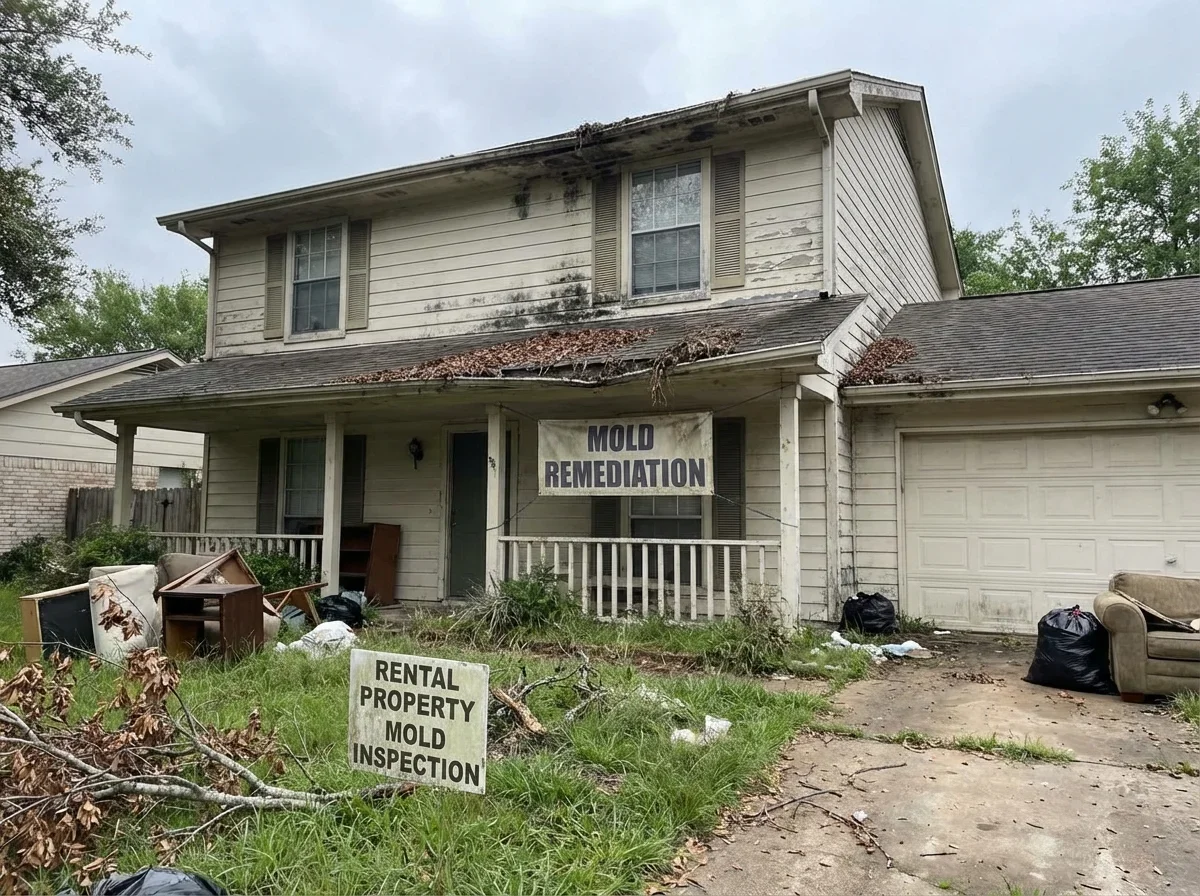
You need an inspection the moment you receive written notice from a tenant. Texas Health & Safety Code §92.0563 starts a 30-day remediation clock when a tenant reports mold in writing. Fail to act, and you're liable for penalties, lease termination rights, and civil damages.
Beyond legal complaints, smart property managers in Houston and Dallas order inspections during three critical windows:
- Pre-lease inspections before new tenants move in — your baseline documentation if they later claim pre-existing mold
- Vacancy turnovers after problem tenants or water damage incidents — catch hidden growth before marketing the unit
- Post-remediation clearance after any mold work — confirms the job was done right and protects against re-growth claims
The inspection creates your legal defense. A TDLR-licensed assessor's report documents what existed when, who caused it, and whether remediation met protocol.
Gulf Coast landlords face accelerated timelines. In Corpus Christi's humidity, visible mold can spread from a small bathroom leak to wall cavities in 72 hours during summer months. Waiting to "see if it gets worse" erodes your 30-day compliance window and increases remediation costs.
$ Cost Guide
What Does Rental Property Mold Inspection Cost in Texas?
Pricing scales with property size, unit count, and sampling complexity. Budget for these baseline ranges:
| Property Type | Typical Inspection Cost |
|---|---|
| Single-family rental (1-2 bath) | $400 - $600 |
| Apartment unit (≤1,000 sq ft) | $300 - $500 |
| Duplex/townhome (both units) | $550 - $800 |
| Small multifamily (4-8 units) | $800 - $1,500+ |
Additional Testing and Protocol Fees
Base inspections include visual assessment and 2-3 samples. Add these costs when needed:
- Extra air/surface samples: $75-$125 each (common in multi-unit buildings where you're testing multiple units or common areas)
- Lab rush fees: $50-$100 per sample (48-hour results vs. standard 5-day)
- Written remediation protocol: $150-$350 (required by law if mold exceeds 25 contiguous square feet)
- Post-remediation clearance testing: $250-$450 (verifies contractor finished the job — highly recommended to close your liability loop)
Cost factors that increase pricing:
- Building size over 3,000 sq ft or more than 4 units
- Emergency/weekend inspections (20-30% premium)
- Extensive moisture investigation across multiple floors
- Specialized testing (HVAC system sampling, hidden wall cavities)
In Plano and Arlington, multi-unit property managers typically spend $1,200-$2,000 annually on mold inspections across their portfolio — a fraction of one lawsuit's legal fees. The ROI comes from early detection, documented compliance, and tenant dispute resolution.
Insurance rarely covers inspection costs (it's considered maintenance), but the report becomes critical for filing remediation claims after covered water damage events.
→ What to Expect
The Rental Property Mold Inspection Process
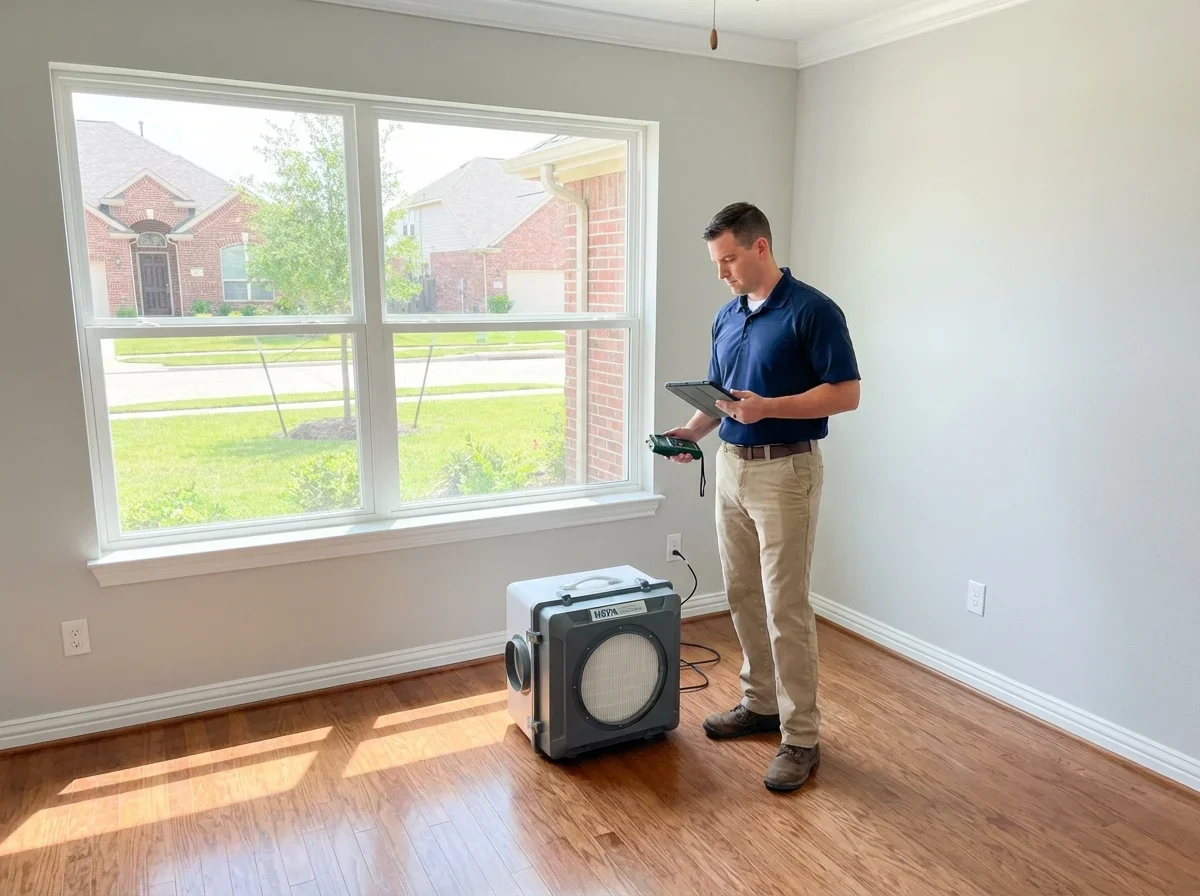
TDLR-licensed mold assessors follow a structured protocol for rental properties — different from residential home inspections because documentation standards are higher.
Initial Assessment and Sampling
- Visual inspection of reported areas plus adjacent spaces (mold rarely stays contained)
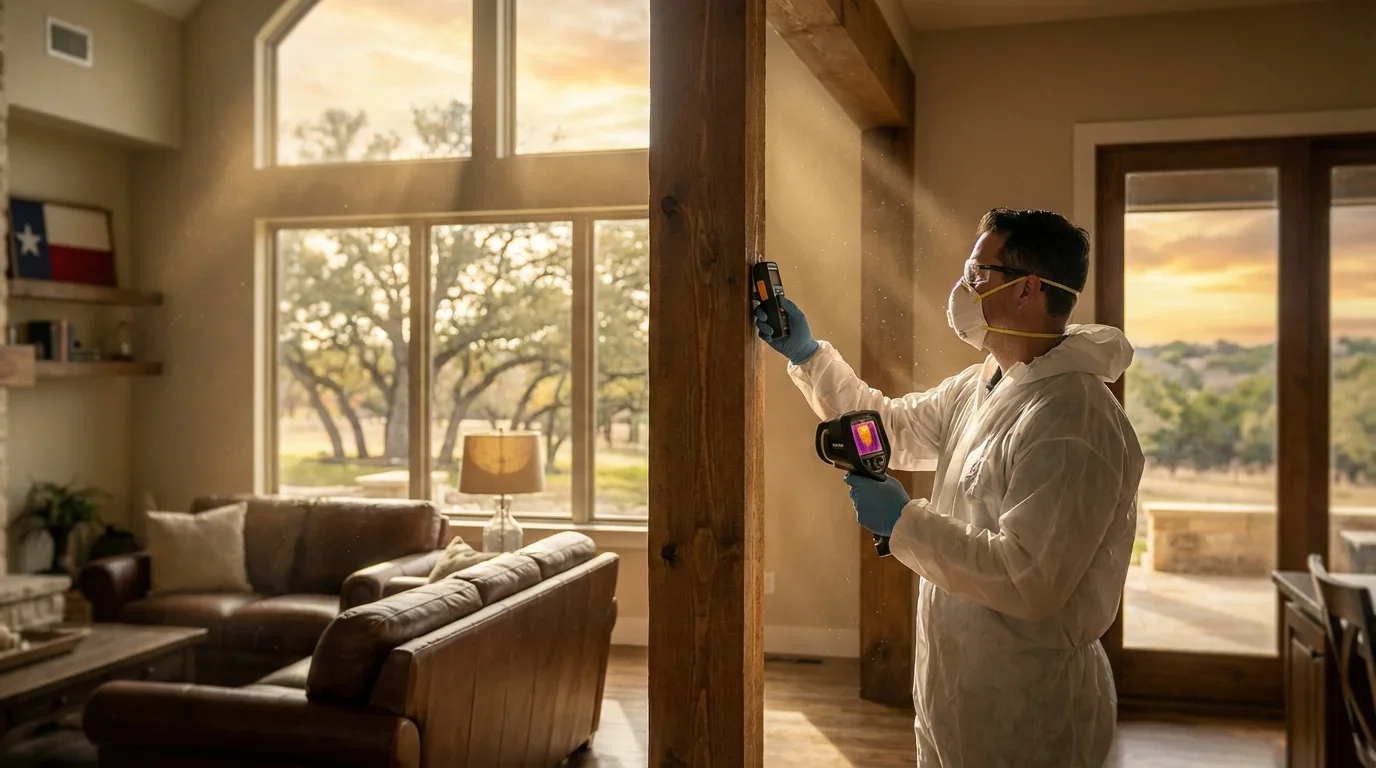
- Moisture mapping with thermal cameras and meters to find hidden water intrusion
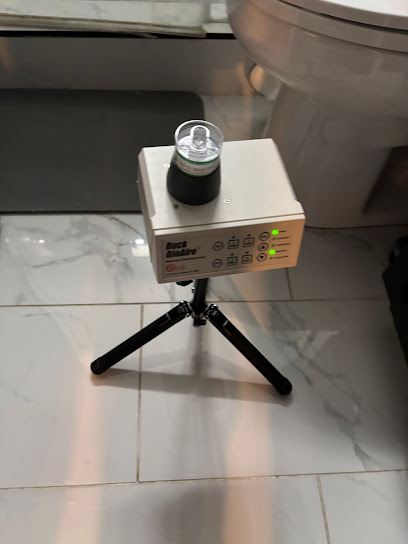
- Air and surface samples collected in affected units and control areas for lab comparison
- Common area assessment in multi-unit buildings — HVAC systems, shared walls, roof/attic spaces
For a typical San Antonio duplex, expect 2-4 air samples and 1-2 surface swabs per unit. Larger apartment buildings require sampling each affected unit plus common mechanical spaces.
Lab Analysis and Protocol Development
Samples go to accredited mycology labs (results in 3-5 business days). The assessor's written protocol specifies:
- Contamination levels by species and spore count
- Required containment and removal methods
- Materials that must be removed vs. cleaned
- Post-work clearance testing criteria
This protocol becomes the remediation contractor's work order. Texas law requires assessors remain independent — the person who writes the protocol cannot perform the remediation work or have financial ties to the company you hire.
Documentation for Lease Disputes
Your final report includes photos, lab results, moisture readings, and a written opinion on causation. Was this tenant negligence (unreported shower leak, blocked AC vents) or landlord responsibility (roof leak, plumbing failure)? That determination decides who pays.
Property managers in Austin and Fort Worth use these reports to defend security deposit deductions and respond to frivolous habitability claims.
✓ Choosing a Contractor
How to Choose a Mold Inspector for Rental Properties
Not all mold inspectors understand landlord-tenant law or property management documentation needs. Use this checklist:
Questions to Ask
- "Are you TDLR-licensed as a mold assessment consultant?" (Texas requires separate assessor and remediator licenses — confirm theirs is current)
- "Do you have financial ties to any remediation companies?" (They legally cannot recommend affiliated contractors)
- "Will your report specify tenant vs. landlord causation?" (You need this for deposit disputes and liability defense)
- "What's your turnaround time for lab results and protocol?" (You're on a 30-day legal clock after tenant notice)
- "Do you provide testimony or documentation for court cases?" (Useful if disputes escalate to small claims)
- "How do you handle multi-unit buildings?" (Look for experience with common area assessments and unit-by-unit documentation)
Red Flags
- Offers remediation services or "partners" with specific contractors (illegal in Texas for licensed assessors)
- Quotes a price without seeing the property or knowing unit count
- Cannot produce current TDLR license or errors-and-omissions insurance
- Pushes you toward immediate remediation before lab results return
Texas Licensing and Independence Requirements
Texas Department of Licensing and Regulation (TDLR) maintains public license verification online. Your inspector must carry a mold assessment consultant license — not just a general home inspector credential. Post-remediation verification requires the same TDLR licensing to ensure independent clearance testing.
Look for inspectors with property management client references. Houston and El Paso landlords benefit from assessors who understand multi-unit building systems, common lease provisions, and how to document findings for potential litigation.
Compare local TDLR-licensed inspectors now — get quotes from multiple pros who understand rental property compliance and can deliver reports within your legal timeline.