Your Brand New Home Shouldn't Come with Hidden Mold
New construction doesn't mean mold-free. Trapped moisture during building, rushed drying times, and overlooked defects create perfect conditions for mold growth before you even move in.
- Catch builder moisture problems early
- Protect your investment from day one
- Avoid costly repairs down the road
⚠ Common Issues
Why New Homes in Texas Need Mold Inspection
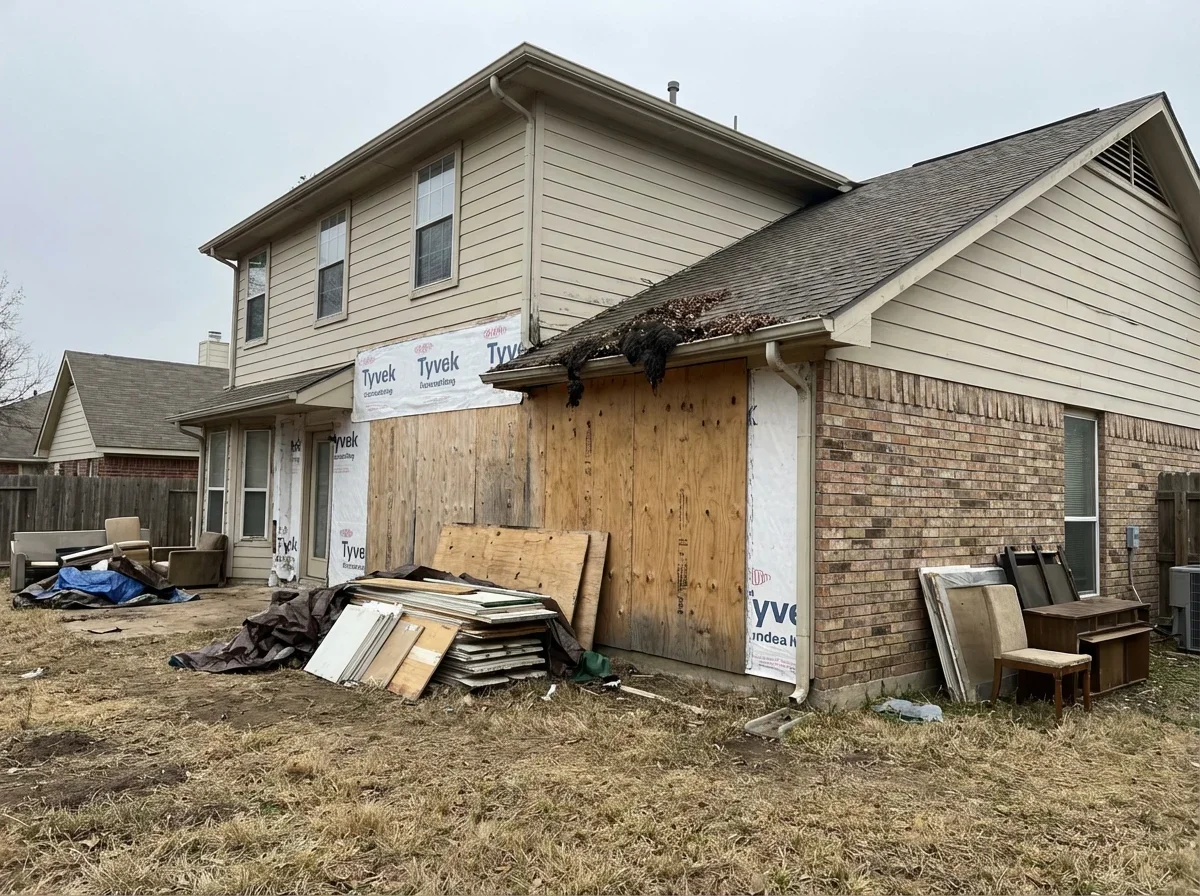
New construction in Houston, Dallas, and across Texas faces unique mold vulnerabilities that existing homes don't. Rushed building schedules during Texas's construction boom mean lumber and concrete don't dry properly before enclosure. Framing lumber delivered with moisture content above 19% gets sealed behind drywall. Concrete slabs poured during humid Gulf Coast summers trap moisture for months.
Construction timelines prioritize speed over drying. HVAC systems run before occupancy to cool work crews, creating condensation inside wall cavities. Inadequate ventilation during finishing work traps humidity from paint, drywall mud, and flooring adhesives.
Critical Inspection Windows
You get two opportunities to catch problems:
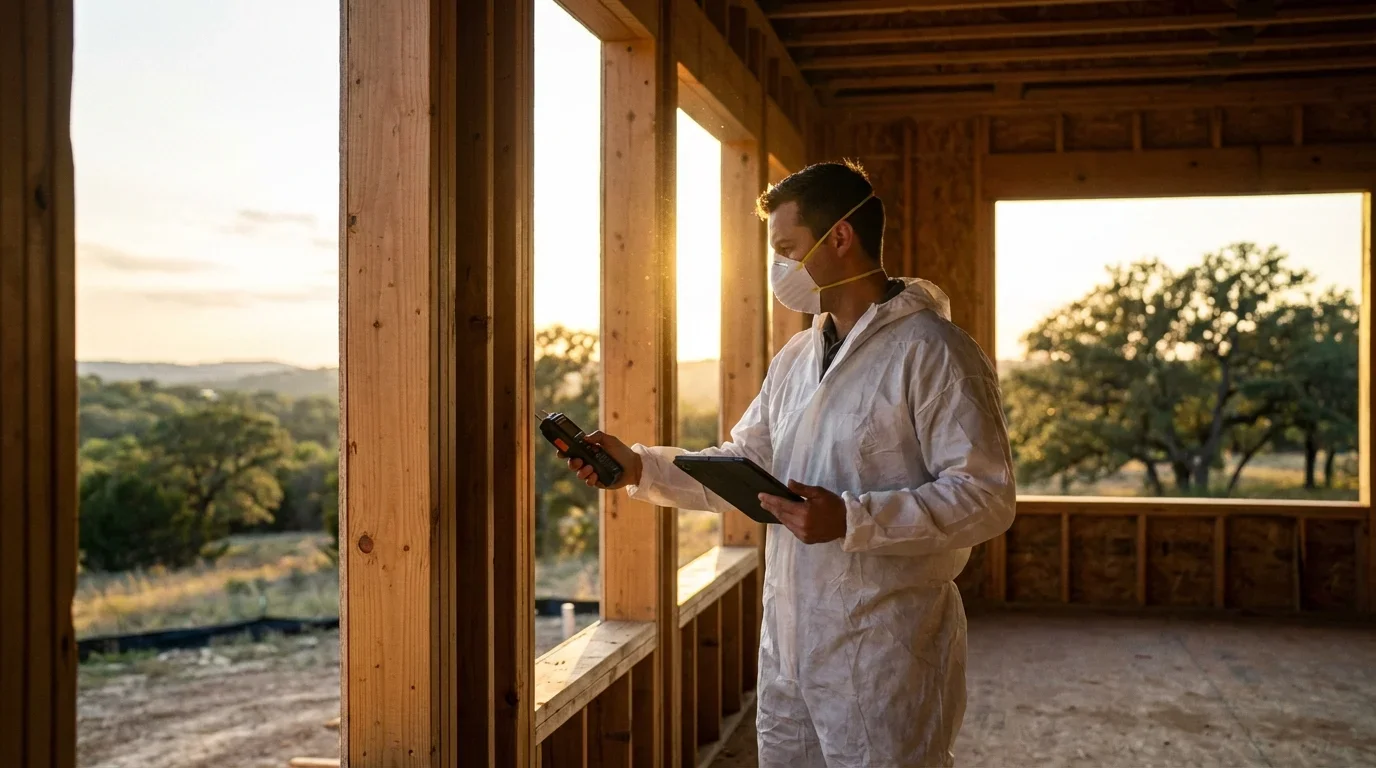
- Pre-drywall inspection (after framing, before walls close): moisture meters test lumber and slab, thermal imaging reveals wet areas, visual inspection identifies drainage issues
- Final walkthrough inspection (before closing): air quality testing, finished space moisture assessment, HVAC system check
Miss the pre-drywall window and moisture problems become permanent. Once drywall goes up, you can't see what's growing inside.
Texas builder warranties typically exclude mold unless you prove it resulted from construction defects. Without third-party inspection documentation, you have no leverage when problems surface six months after move-in.
$ Cost Guide
What Does New Construction Mold Inspection Cost in Texas?
Inspection costs vary by property size, inspection timing, and testing scope:
| Inspection Type | Typical Cost Range |
|---|---|
| Pre-drywall inspection only | $400 - $700 |
| Final walkthrough inspection | $300 - $600 |
| Combined package (pre-drywall + final) | $650 - $1,200 |
| Large homes (3,500+ sq ft) | $800 - $1,500 |
| Commercial new construction | $1,200 - $3,500 |
Inspection Timing and Pricing Tiers
Single inspection approach: Most buyers schedule final walkthrough inspection only ($300-$600 for homes under 3,000 sq ft). This catches visible issues but misses moisture trapped during construction.
Two-phase package: Pre-drywall + final inspection ($650-$1,200) provides complete documentation. Worth the investment for homes in Fort Worth, Plano, and other high-humidity areas where construction moisture problems escalate quickly.
Air quality testing adds $75-$150 per sample location. Comprehensive final inspections include 2-3 samples (one per floor level plus outdoor control sample).
Cost Factors in Texas Markets
- Property size: Inspections priced per square foot above 3,000 sq ft
- Access timing: Builder coordination required; missed inspection windows mean rescheduling fees
- Testing scope: Basic moisture assessment vs full air quality lab analysis
- Report detail: Standard reports vs litigation-quality documentation for warranty disputes
Insurance and Warranty Documentation Value
New construction inspection isn't covered by homeowner's insurance (you don't own the property yet), but the cost is minimal compared to post-occupancy remediation. Full mold remediation for construction moisture issues averages $3,000-$8,000 in Texas homes — catching problems before closing gives you negotiating power with builders.
Third-party inspection documentation strengthens warranty claims. Builders in Dallas and Houston markets commonly dispute mold claims as homeowner maintenance failures. Pre-occupancy inspection proves moisture existed before you took possession.
Commercial New Construction Pricing
Multi-unit residential and commercial properties require more extensive testing:
- Small commercial (under 10,000 sq ft): $1,200-$2,000
- Large commercial/industrial: $2,500-$5,000+
- Multi-unit residential: $800-$1,500 per building
Commercial inspections follow same TDLR protocols but involve contractor coordination and detailed reporting for property management documentation.
→ What to Expect
The New Construction Mold Inspection Process
Licensed mold assessors in Texas follow TDLR protocols for construction phase inspections. The process differs significantly from existing home inspections because you're evaluating building practices, not just current conditions.
Pre-Drywall Phase Inspection
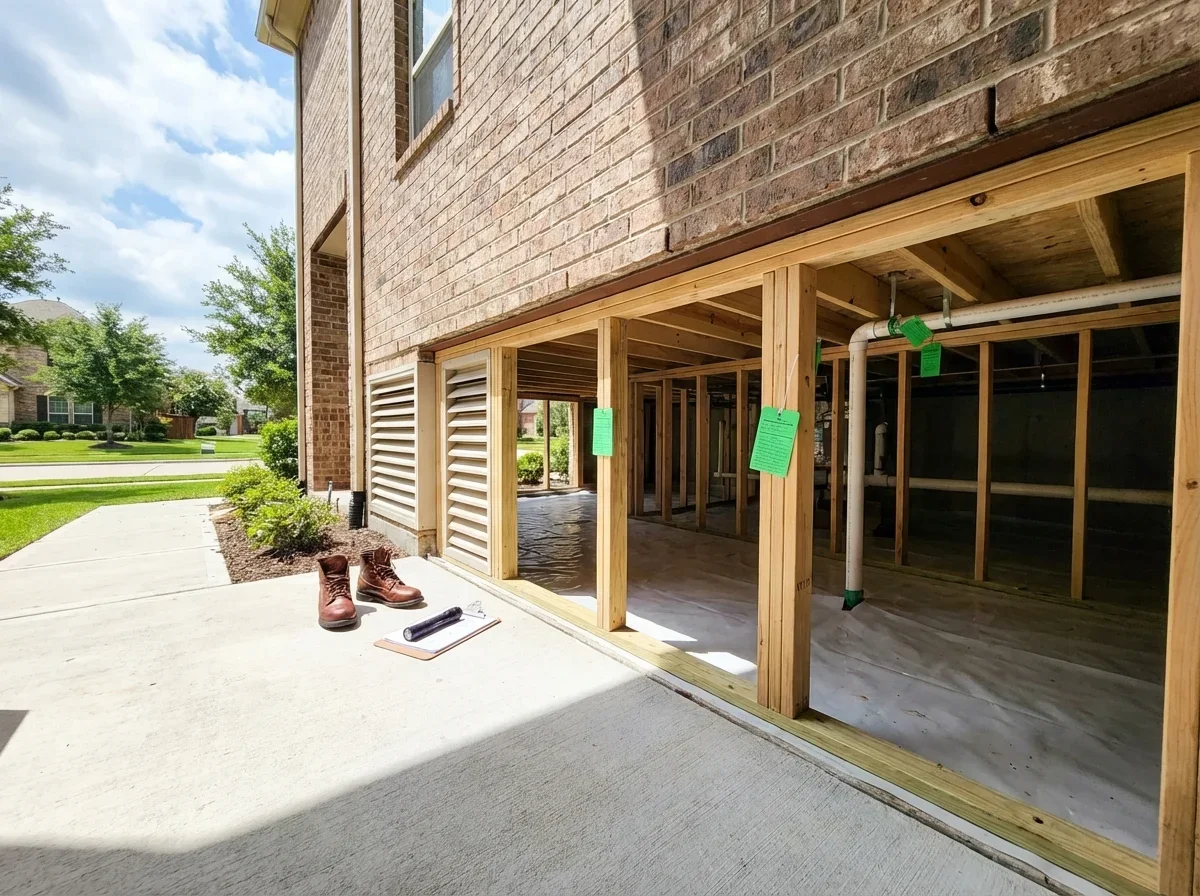
This happens after framing, plumbing, and electrical rough-in but before insulation and drywall installation:
- Moisture content testing: pin-type and pinless meters test framing lumber throughout structure (acceptable range: 12-15% for Texas climate)
- Slab moisture assessment: concrete moisture testing using calcium chloride or RH probes (critical for San Antonio and Austin homes with pier-and-beam alternatives)
- Thermal imaging: infrared cameras identify temperature differentials indicating moisture intrusion or missing vapor barriers
- Drainage verification: gutters, grading, foundation drainage systems inspected while accessible
- HVAC installation review: ductwork integrity, register placement for adequate airflow
Timeline: 2-4 hours for typical single-family home. Inspector provides moisture readings with photos documenting wet areas.
Post-Construction Final Inspection
Scheduled 1-2 weeks before closing:
- Air quality sampling: spore trap samples test indoor air vs outdoor baseline
- Finished surface inspection: moisture meters scan walls, ceilings, floors for elevated readings
- Ventilation assessment: bathroom exhaust, kitchen venting, attic ventilation adequacy
- HVAC system performance: runtime testing, condensate drain operation, return air pathways
Reports delivered within 48 hours, providing documentation for closing negotiations or builder remediation demands.
Testing Protocols and Reporting
Texas-licensed assessors use laboratory analysis for air samples. Reports include specific moisture readings, photographic evidence, and lab results comparing indoor spore counts to outdoor ambient levels. This documentation becomes critical if mold appears post-occupancy and you need to prove construction defects for warranty claims.
✓ Choosing a Contractor
How to Choose a New Construction Mold Inspector
Builder-recommended inspectors create conflicts of interest. You need independent assessment from licensed professionals who document problems objectively.
TDLR Licensing Requirements for Mold Assessment
Texas requires separate licensing for mold assessment (inspection/testing) and remediation (removal/cleanup). Verify inspector holds active TDLR mold assessment license — legally required for any inspection resulting in written reports. License lookup available on TDLR website.
Questions to ask:
- "Do you hold an active TDLR mold assessment license?" (required by law; ask for license number)
- "Have you worked with [your builder] previously?" (independence matters for objective reporting)
- "What's included in the inspection report?" (moisture readings with photos, lab results, specific remediation recommendations)
- "Can your report be used for warranty claims?" (documentation quality matters for builder disputes)
- "What's your turnaround time for reports?" (you need results before closing; 48-72 hours standard)
- "Do you provide testimony if warranty disputes escalate?" (litigation-quality documentation protects your investment)
Independence from Builder Relationships
Red flags indicating compromised independence:
- Inspector recommended exclusively by builder (not an independent referral)
- Vague verbal assessments without detailed written reports
- "Everything looks fine" conclusions without supporting moisture data
- Pressure to skip pre-drywall inspection or reduce testing scope
Builders naturally prefer inspectors who don't create closing delays. You need inspectors who prioritize documentation accuracy over builder relationships.
Report Quality and Warranty Support
Compare sample reports before hiring. Quality reports include:
- Specific moisture content readings (not "slightly elevated" descriptions)
- Photo documentation with time/date stamps
- Laboratory analysis for air samples (chain of custody documentation)
- Clear remediation recommendations with industry standard references
Ask whether inspector provides follow-up consultation if problems appear post-occupancy. Some inspectors offer 90-day consultation periods supporting warranty claim documentation.
Compare multiple licensed inspectors through TX Mold Pros directory. Filter for new construction experience and review documentation quality before scheduling.