Black Mold Won't Remove Itself—We Will
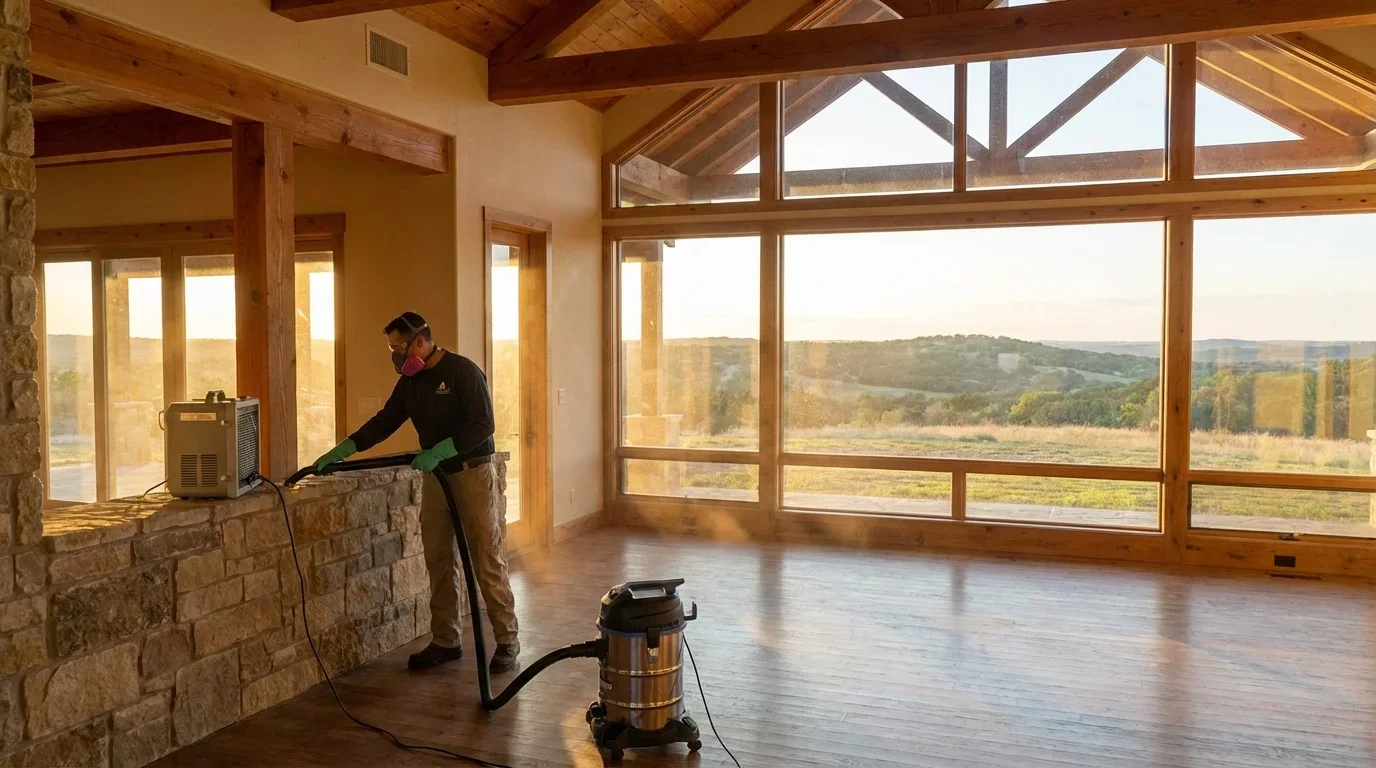
Texas humidity creates the perfect storm for mold growth. Our certified technicians contain the spread, remove contaminated materials, and treat affected areas so your family breathes clean air again.
- Complete containment stops mold from spreading
- HEPA filtration captures airborne spores
- Antimicrobial treatment prevents regrowth
⚠ Common Issues
When Do You Need Professional Mold Remediation?
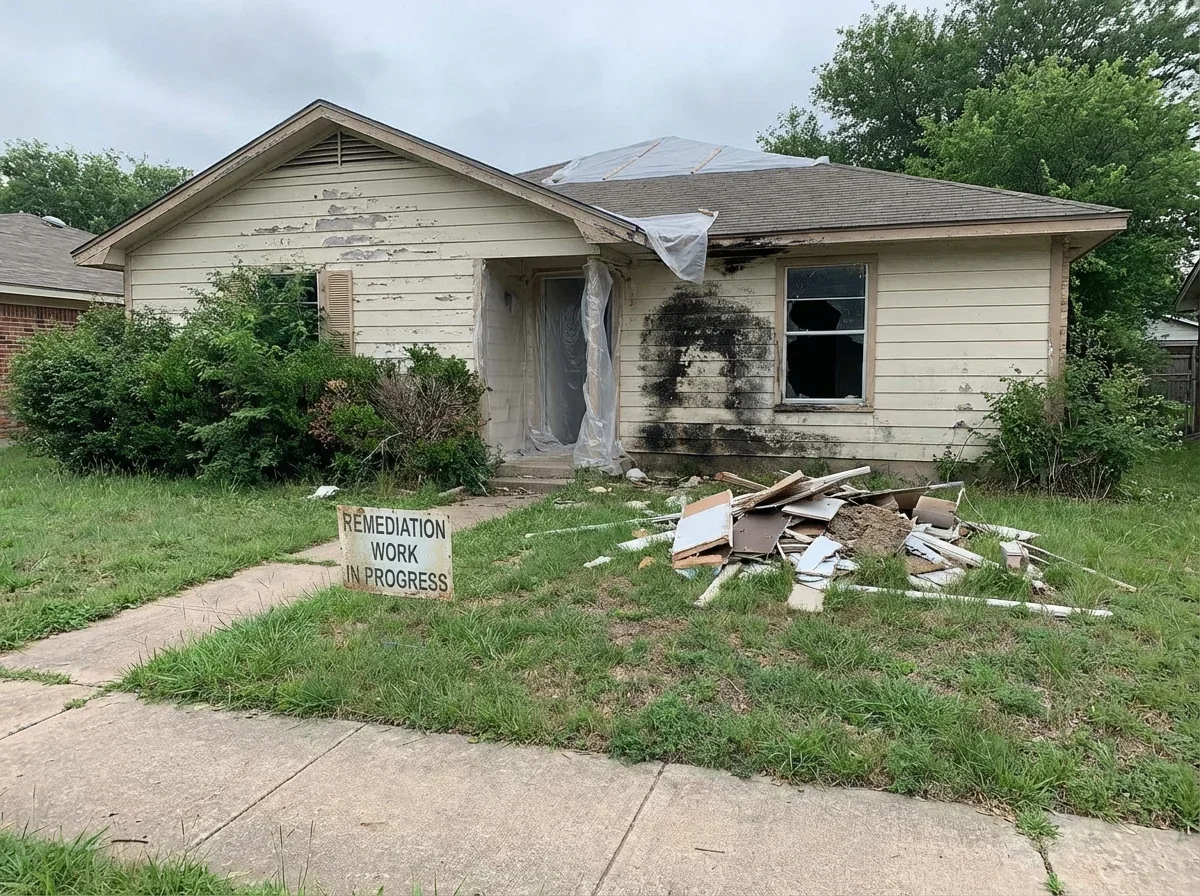
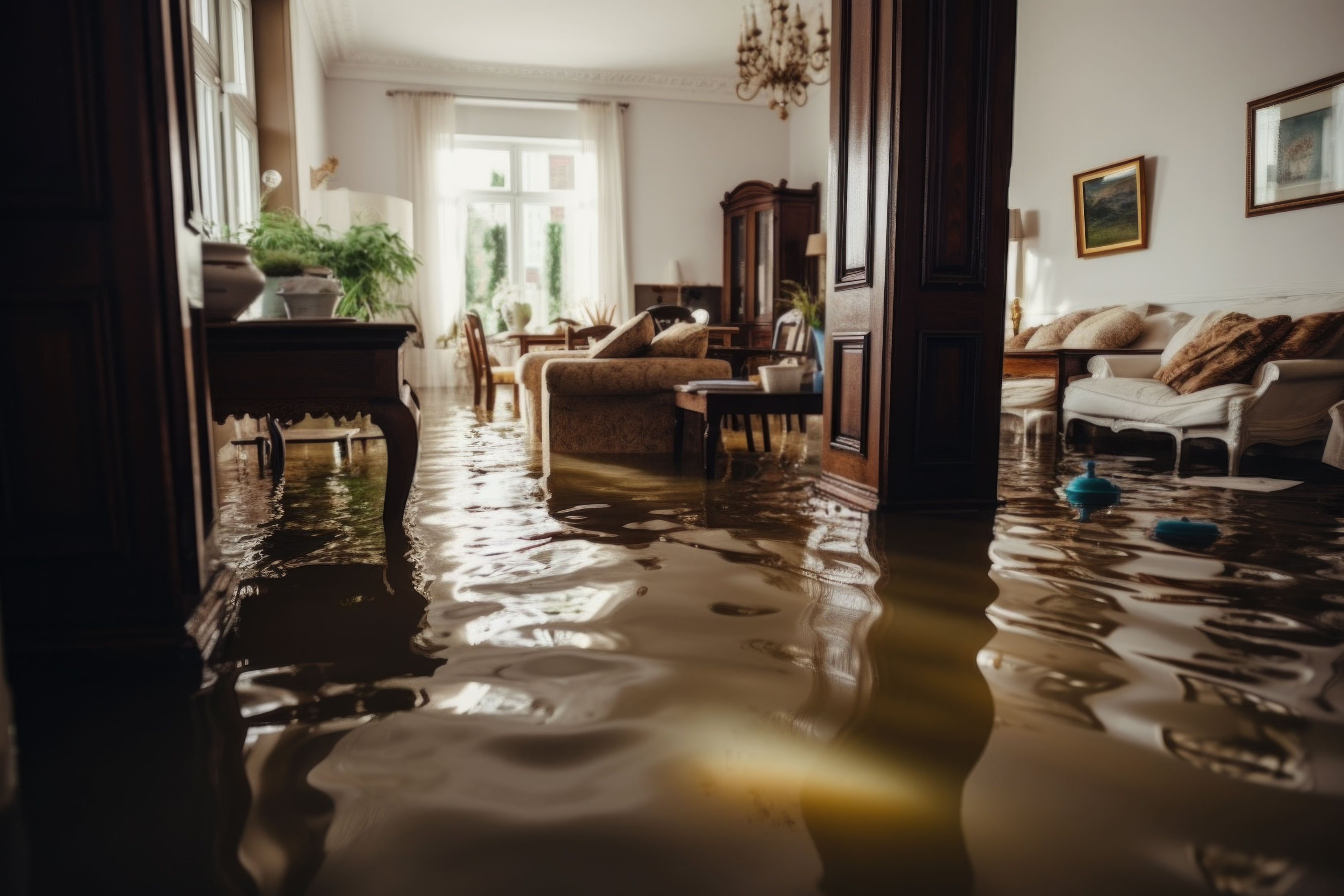
You need licensed remediation when mold covers more than 10 square feet, appears after flooding, or triggers respiratory symptoms. Texas humidity accelerates growth — what starts as a small patch in Houston or Corpus Christi can colonize wall cavities within 48 hours of water intrusion.[1]
Visible growth is only part of the problem. You might smell musty odors without seeing mold, experience worsening allergies indoors, or notice water stains that never fully dried. Gulf Coast properties face year-round humidity that keeps materials damp enough for spore germination.
Post-hurricane remediation demands spike across coastal Texas — San Antonio and Austin see increased cases after tropical storm remnants dump rain into poorly ventilated attics. AC condensation issues become mold factories when evaporator pans overflow or ductwork sweats.
Texas law draws a hard line. Remediation covering more than 25 square feet requires a TDLR-licensed contractor — not a handyman, not a restoration company without mold credentials.[1]
If you're filing an insurance claim over $5,000, you'll need a Certificate of Mold Damage Remediation from a licensed professional. DIY cleanup voids that documentation. For attic-specific issues, see our guide to attic mold removal.
$ Cost Guide
What Does Mold Remediation Cost in Texas?
Expect $1,500-$6,000 for most residential jobs in Texas. Complex cases — flooded basements in Houston, whole-house contamination after storm damage, HVAC mold removal in multi-story properties — push past $10,000.
| Project Scope | Typical Cost Range |
|---|---|
| Single room (bathroom, closet) | $1,500 - $3,000 |
| Multiple rooms or attic | $3,000 - $6,000 |
| Whole-house or commercial | $6,000 - $15,000+ |
| Post-flooding remediation | $8,000 - $20,000+ |
What Affects the Final Cost
Square footage drives pricing. A 200-square-foot bathroom costs less than a 1,500-square-foot attic. Containment setup and HEPA equipment represent fixed costs — the larger the area, the more material removal and disposal you pay for.
Severity determines material loss. Surface mold on bathroom tile requires cleaning; mold inside wall cavities requires drywall removal, stud treatment, and reconstruction. Plano contractors charge separately for demolition versus cleaning.
Access and complexity add labor. Crawl space work costs more per square foot than open living areas. Multi-story buildings in Arlington require additional containment zones and equipment staging.
Residential vs Commercial Pricing
Residential jobs average $2,000-$4,000 in El Paso and Lubbock. Commercial projects start at $5,000 due to after-hours work requirements, business interruption costs, and larger square footage. Insurance claims for residential work often fall in the $3,500-$8,000 range.
Texas law requires documentation for claims over $5,000. Your contractor must provide a Certificate of Mold Damage Remediation from a TDLR-licensed professional — unlicensed work won't satisfy your insurer or create a legal paper trail for property disclosures.[1] For insurance-specific guidance, review insurance claim mold services.
→ What to Expect
The Mold Remediation Process
Licensed Texas remediators follow a six-step protocol mandated by TDLR regulations — not shortcuts, not "spray and pray" treatments.[2]
Inspection and Containment
- Initial assessment: A licensed assessor (separate from the remediation company in Texas) identifies contamination sources and maps affected areas. Air sampling determines spore concentration.
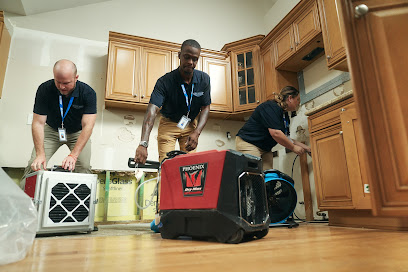
- Containment setup: Technicians seal off work areas with 6-mil polyethylene sheeting and create negative air pressure to prevent cross-contamination. HVAC systems get shut down.
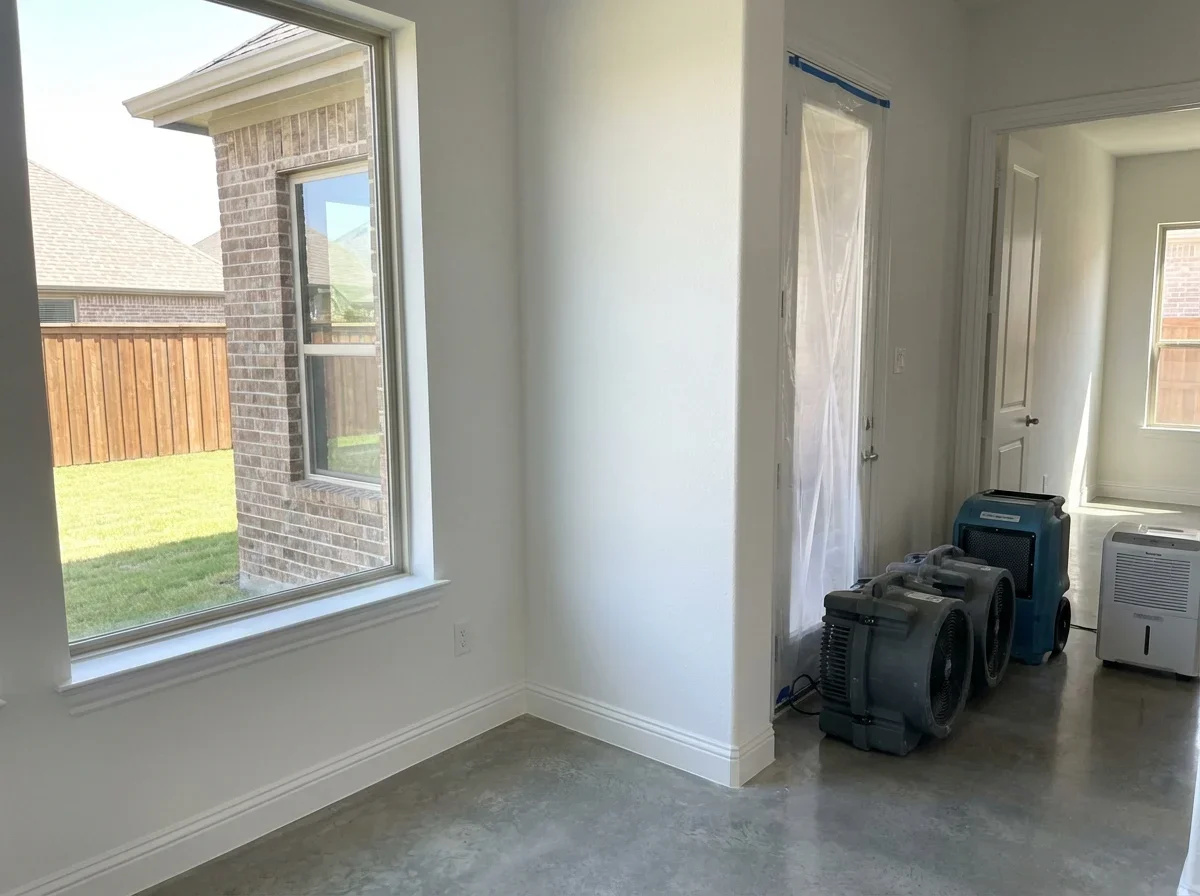
- HEPA air scrubbing: Industrial air scrubbers with HEPA filters run continuously, capturing airborne spores before they spread to clean areas.
Removal and Treatment
- Material removal: Porous materials (drywall, insulation, carpeting) get bagged and disposed of according to Texas waste regulations. Non-porous surfaces (metal, glass) undergo HEPA vacuuming.
- Antimicrobial treatment: EPA-registered biocides treat remaining surfaces. This step doesn't replace removal — it prevents regrowth on cleaned materials.
| Method | Application | Timeline |
|---|---|---|
| Dry ice blasting | Wood framing, concrete | 1-2 days |
| HEPA sanding | Sealed wood surfaces | 2-3 days |
| Chemical treatment | Post-removal surfaces | Same day application |
Verification and Clearance Testing
- Clearance testing: An independent assessor tests air quality after remediation. You need spore counts below 1,000 CFU/m³ to pass Texas standards. No clearance test means no Certificate of Mold Damage Remediation for insurance claims.[3]
Dallas and Fort Worth projects typically span 3-5 days for residential work. Extensive damage or commercial mold remediation extends timelines to 1-2 weeks.
✓ Choosing a Contractor
How to Choose a Licensed Mold Remediation Contractor in Texas
TDLR Licensing Requirements
Verify credentials before signing anything. Texas requires separate licenses for mold assessment and remediation — a company can hold both, but the person performing your assessment cannot be the same person doing remediation work.[1]
Questions to ask:
- What is your TDLR license number, and can I verify it in the state registry?
- Who performs the assessment, and are they separately licensed from remediation staff?
- Do you provide a written remediation plan before starting work?
- What containment and air scrubbing equipment do you use?
- Will you provide clearance testing from an independent assessor?
- Do you carry general liability and pollution liability insurance?
Insurance and Documentation
Ask for certificates of insurance before work begins. General liability covers property damage; pollution liability covers mold-specific claims. You need both in Texas.
Documentation requirements:
- Written remediation protocol following Texas Administrative Code Chapter 78
- Material disposal receipts (proof of proper waste handling)
- Pre- and post-remediation photos
- Clearance testing results with spore counts
- Certificate of Mold Damage Remediation for insurance claims
Warning Signs of Unlicensed Operators
Red flags that disqualify contractors:
- Cannot produce TDLR license number or verification
- Same person doing assessment and remediation (illegal in Texas)
- No containment protocol or HEPA equipment mentioned
- Offers to "spray and seal" without material removal
- Skips clearance testing or calls it "optional"
- Demands full payment upfront or cash-only transactions
The cheapest bid often comes from unlicensed operators who skip containment, use household bleach instead of EPA-registered treatments, and leave you with recurring growth. Legitimate Texas contractors provide post-remediation verification as standard practice — not an upsell.
Compare licensed professionals below. Verify credentials through the TDLR registry, check insurance coverage, and request written protocols before hiring.
Top Contractors for Mold Remediation
View all →

Frequently Asked Questions
- Texas Department of Licensing and Regulation (TDLR). "Mold Abatement Services License." https://www.tdlr.texas.gov/mas/mas.htm. Accessed April 02, 2026.
- Texas Secretary of State. "Texas Mold Assessment and Remediation Rules." https://www.sos.state.tx.us/tac/77/chapter78/index.shtml. Accessed April 02, 2026.
- New York City Department of Health and Mental Hygiene. "Guidelines on Assessment and Remediation of Fungi in Indoor Environments." https://www.nyc.gov/assets/doh/downloads/pdf/epi/moldrpt.pdf. Accessed April 02, 2026.