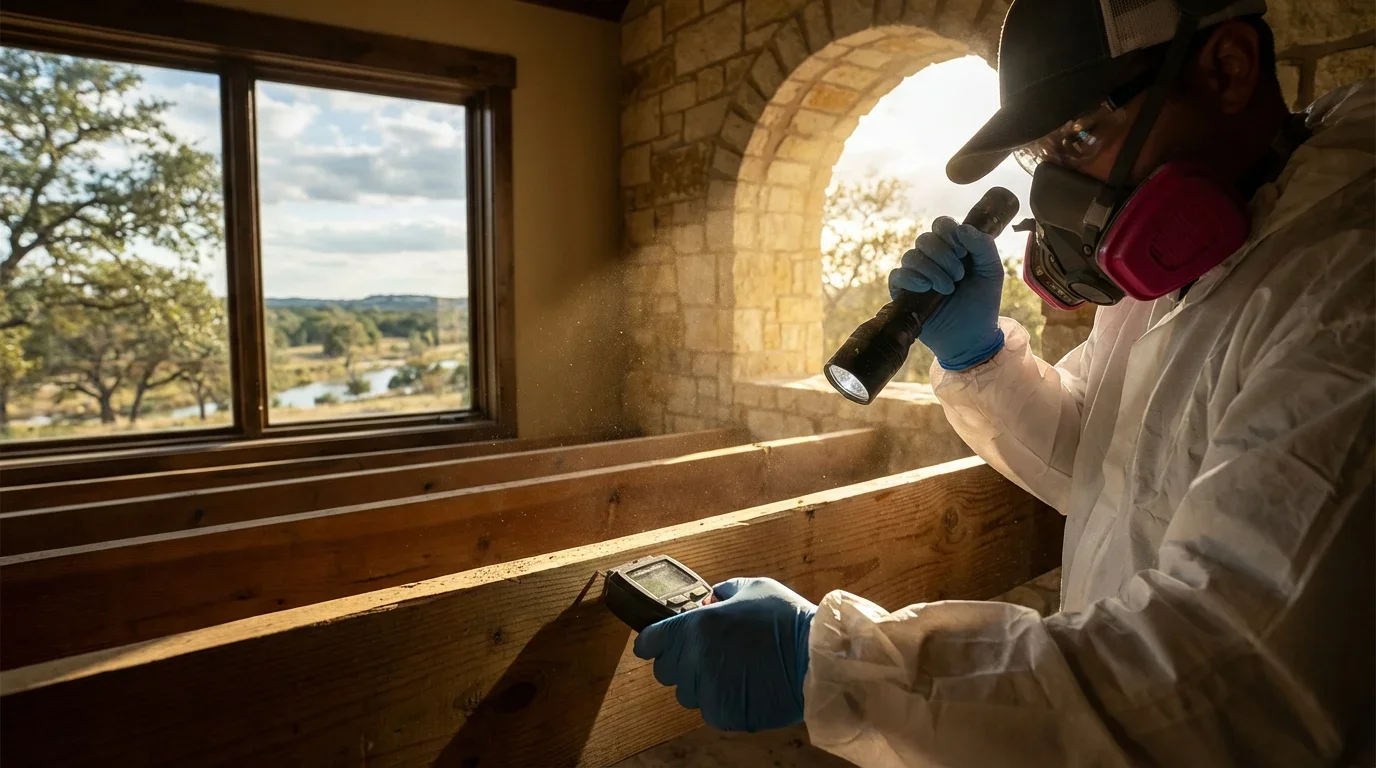
Black Spots on Your Walls? That's Not Dirt.
Mold doesn't announce itself until it's already a problem. Our certified inspectors pinpoint hidden growth, moisture sources, and contamination levels before your property value—and your health—takes the hit.
- Find mold before it finds your lungs
- Identify the moisture feeding the problem
- Get a clear remediation roadmap fast
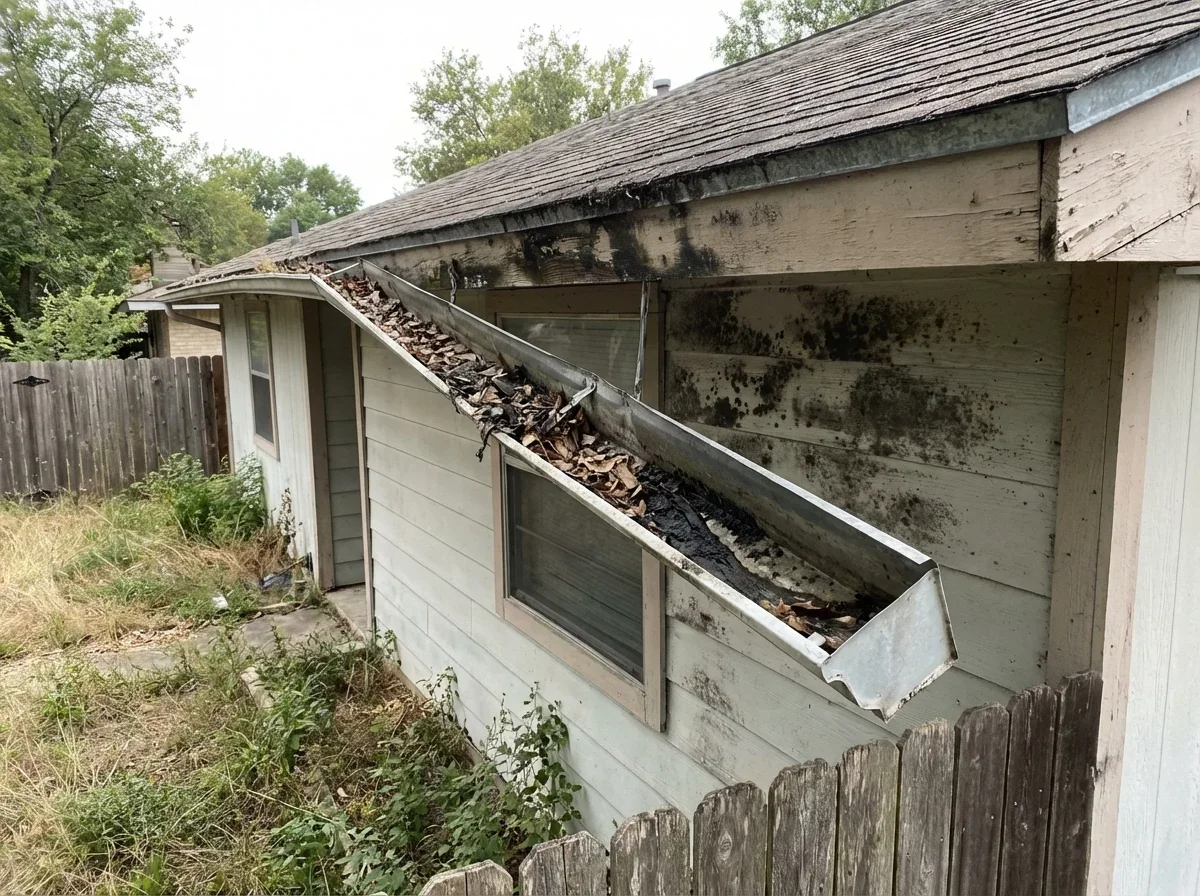
⚠ Common Issues
When You Need a Professional Mold Inspection
You smell musty odors but see no visible growth. You're buying a home in Houston or San Antonio and want baseline documentation. A pipe burst last month and the walls dried, but you're not sure what's happening inside the cavities.
Professional mold inspection answers the question: where is it, how much, and what caused it? Visual inspection alone misses hidden growth in wall cavities, attic spaces, and HVAC plenums. Texas-licensed inspectors combine direct observation with moisture meters, thermal imaging, and air/surface sampling to map contamination you can't see.[2]
Common triggers include post-flooding restoration (especially after Gulf Coast storms), pre-purchase due diligence, persistent odors with no visible source, and post-remediation verification to confirm the work was done right. In Texas' humid climate — particularly May through September — condensation and water intrusion create ideal conditions. Catching growth early keeps a $500 inspection from becoming a $15,000 whole house remediation project.
Texas law separates inspection from remediation for a reason. Inspectors licensed under TDLR can't also sell you the fix — eliminating the conflict that leads to inflated scopes and unnecessary work.
Pre-purchase inspections before closing protect buyers. Post-water-damage assessments after leaks or flooding determine extent. Routine checks in high-risk properties (rental units, older homes, properties with prior issues) catch problems before tenants complain or health concerns escalate.
$ Cost Guide
What Does Mold Inspection Cost in Texas?
Expect to pay $300–$800 for professional mold inspection depending on property size, scope, and testing requirements. Visual-only inspections run lower; comprehensive assessments with lab work cost more.
Pricing by Property Size and Complexity
| Property Type | Visual Inspection | Visual + Testing |
|---|---|---|
| Single-family home (<2,000 sq ft) | $300–$450 | $500–$650 |
| Larger home (2,000–4,000 sq ft) | $450–$600 | $650–$850 |
| Multi-unit or commercial property | $600–$1,200+ | $900–$1,500+ |
| Post-remediation clearance testing | $250–$400 | $400–$600 |
Additional Testing Costs
Air sampling adds $125–$200 per sample location (typical protocol uses 3 samples: outdoor control, affected area, unaffected indoor area). Surface sampling runs $100–$150 per sample. Lab turnaround is 3–5 business days.
What drives cost up:
- Larger square footage requiring more sample locations
- Hard-to-access areas (attics, crawl spaces, wall cavities)
- Extensive moisture mapping in multi-story homes
- Same-day or rush lab analysis requests
- Travel fees for rural properties outside metro areas
What's included in base pricing:
- TDLR-licensed inspector site visit
- Thermal imaging and moisture meter readings throughout property
- Digital photo documentation
- Written protocol with findings and remediation recommendations
- Phone consultation to review results
Pre-purchase inspections often pair with real estate mold inspection services for buyers in Corpus Christi and Plano closing on older homes or properties with prior water damage. The upfront cost is small compared to discovering hidden contamination after closing — when you own the problem.
Insurance rarely covers inspection costs, but documentation supports claims if water damage triggered the growth. Keep your written protocol; remediation contractors and insurance claim specialists will need it.
→ What to Expect
The Mold Inspection Process
Visual Assessment vs. Testing Services
Not all inspections include laboratory testing. A visual mold inspection ($300–$500 for most homes) documents visible growth, moisture sources, and at-risk areas using thermal cameras and moisture meters. Testing services ($150–$300 additional per sample set) collect air or surface samples for lab analysis to identify species and spore concentration.[1]
| Inspection Type | What's Included | When It's Used |
|---|---|---|
| Visual Assessment Only | Walk-through, moisture mapping, thermal imaging, photo documentation | Post-flooding, visible growth confirmation, pre-remediation scoping |
| Visual + Air Sampling | Above + lab analysis of airborne spore counts (indoor vs. outdoor baseline) | Hidden growth suspected, health concerns, post-remediation clearance |
| Visual + Surface Sampling | Above + swab/tape lift analysis of specific growth areas | Species identification needed, determining if black mold is Stachybotrys |
Step-by-Step Inspection
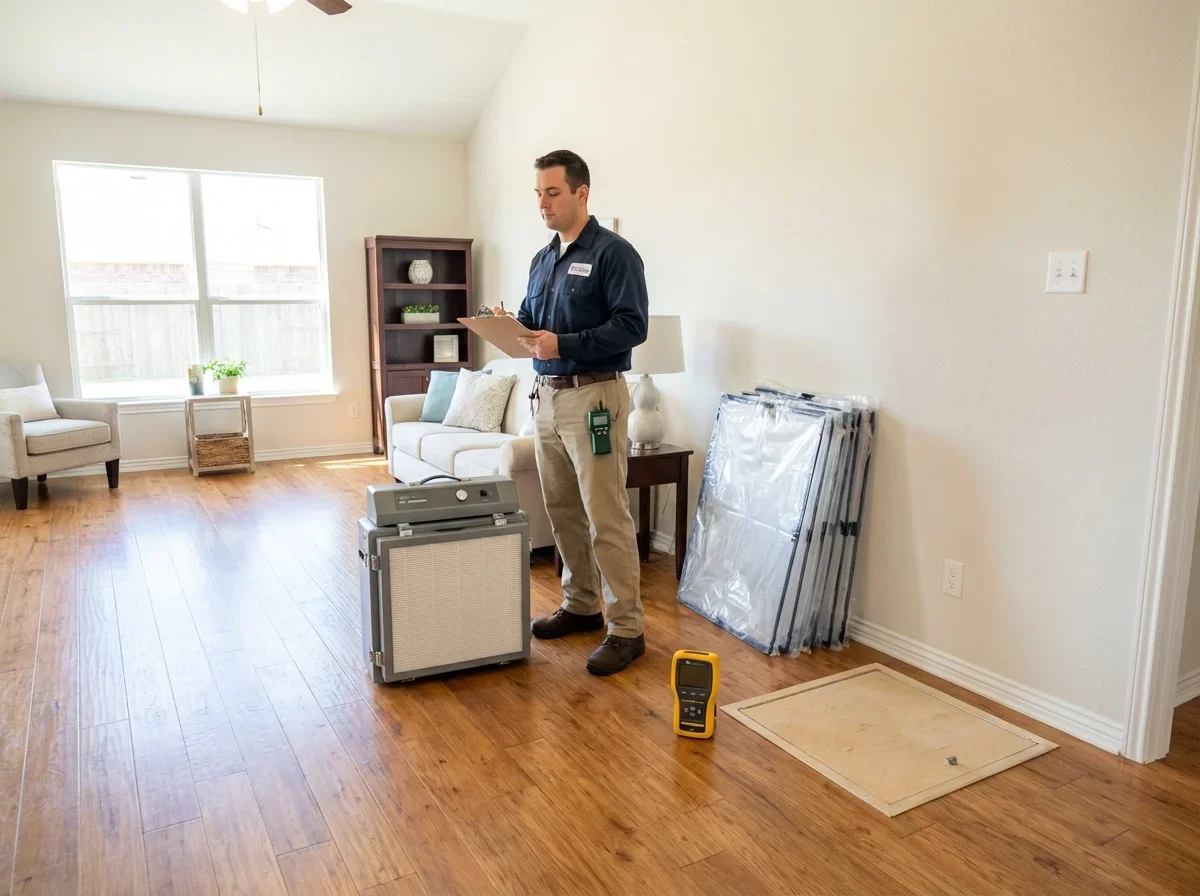
- Initial walk-through and client interview — discussing water history, odors, health symptoms, and areas of concern
- Moisture mapping with infrared thermal imaging — identifying hidden leaks, condensation patterns, and elevated moisture levels behind walls and ceilings
- Visual documentation of growth and conditions — photographing visible contamination, staining, and contributing factors (poor ventilation, plumbing leaks, HVAC condensation)
- Sample collection if warranted — air samples in affected and control areas; surface samples from suspect growth
- Laboratory analysis (3–5 business days for results)
- Written protocol delivery — detailed report with findings, moisture readings, lab results, and remediation recommendations
Most inspections in Dallas, Austin, and Fort Worth take 2–4 hours depending on property size. You'll receive a written protocol within one week outlining what needs correction and the scope of work — a document you can use to compare bids from licensed remediators.
What Inspectors Can and Cannot Do
Texas-licensed mold assessment consultants cannot perform remediation on properties they inspect — they provide unbiased analysis only.[2] This separation ensures the inspector has no financial incentive to exaggerate the problem. For post-remediation verification, a different inspector than the one who wrote the original protocol must perform clearance testing.
✓ Choosing a Contractor
How to Choose a Mold Inspector in Texas
TDLR Licensing Requirements
Texas requires both company licensing and individual consultant licensing through TDLR.[1] The inspector must complete accredited training, pass examinations, and maintain an active license. As of September 2025, supervised employees also require individual licenses — no exemptions.[3]
Ask every inspector:
- "What's your TDLR mold assessment consultant license number?" (verify at tdlr.texas.gov)
- "Do you also perform remediation, or inspection only?" (answer must be inspection only)
- "What's included in your written protocol?" (should specify scope, locations, moisture readings, recommendations)
- "How many sample locations will you test, and what lab do you use?"
- "When will I receive the written report?" (within 5–7 days is standard)
- "Can I use your protocol to get multiple remediation bids?" (yes — it's your document)
Avoiding Conflict of Interest Issues
Red flags:
- Inspector offers to "handle the remediation too" — illegal in Texas for the same company
- No written protocol provided, just verbal recommendations
- Pressure to hire a specific remediation contractor (kickback schemes)
- Unlicensed "mold experts" offering $99 inspections with free estimates (not legitimate assessment)
Legitimate inspectors provide unbiased analysis. Their job ends when you receive the protocol. You choose the remediator — compare multiple licensed companies using the inspection findings.
What to Expect in Your Inspection Report
A complete protocol includes:
- Property details and inspection date
- Moisture readings by location with thermal imaging documentation
- Photo documentation of visible growth and conditions
- Lab results if samples were collected (species, spore counts)
- Identified moisture sources and contributing factors
- Recommended remediation scope and methods
- Areas requiring post-remediation verification testing
Use this document to compare bids. Reputable contractors will follow the protocol; those who dismiss it or suggest "you don't need all that" are cutting corners.
Top Contractors for Mold Inspection
View all →


Frequently Asked Questions
- Texas Department of Licensing and Regulation (TDLR). "Apply for a New Mold Assessment Consultant License." https://www.tdlr.texas.gov/mld/mldconsultant-apply.htm. Accessed April 02, 2026.
- Texas Department of Licensing and Regulation (TDLR). "Mold Assessors and Remediators Homepage." https://www.tdlr.texas.gov/mld/. Accessed April 02, 2026.
- Texas Department of Licensing and Regulation (TDLR). "TDLR Mold Program Update." https://www.tdlr.texas.gov/news/2025/09/17/tdlr-mold-program-update/. Accessed April 02, 2026.