When Texas Homeowners Insurance Covers Mold
Your policy covers mold when it develops from sudden, accidental water damage that qualifies as a covered peril. The Texas Department of Insurance specifically recognizes burst pipes, toilet overflows, and broken appliance hoses as covered events — if mold grows on items damaged by these incidents, your insurance applies.[1]
The key word is "sudden."
A washing machine hose that bursts while you're at work and floods your laundry room overnight meets this standard. If you catch the leak immediately and dry everything within 24-48 hours, you probably won't face mold at all. But if water sits for days, especially in Texas humidity where summer indoor moisture regularly hits 55-65%, mold colonizes fast.
Most successful Texas mold claims stem from these covered scenarios:
- Burst supply lines under slab foundations (the most common in DFW and Houston due to expansive clay soil shifting)
- AC condensate drain pan overflow soaking ductwork and insulation
- Roof damage from wind or hail allowing rainwater intrusion
- Sudden appliance failures (water heater rupture, dishwasher leak)
- Frozen pipe bursts during rare winter freezes (like the February 2021 event)
Your policy treats mold as consequential damage. If the underlying water damage qualifies, mold remediation costs — up to your policy's sub-limit — become part of the claim. Houston-area adjusters report that claims filed within 72 hours of discovering water damage have significantly higher approval rates than those filed weeks later.
Standard Mold Coverage Limits in Texas Policies
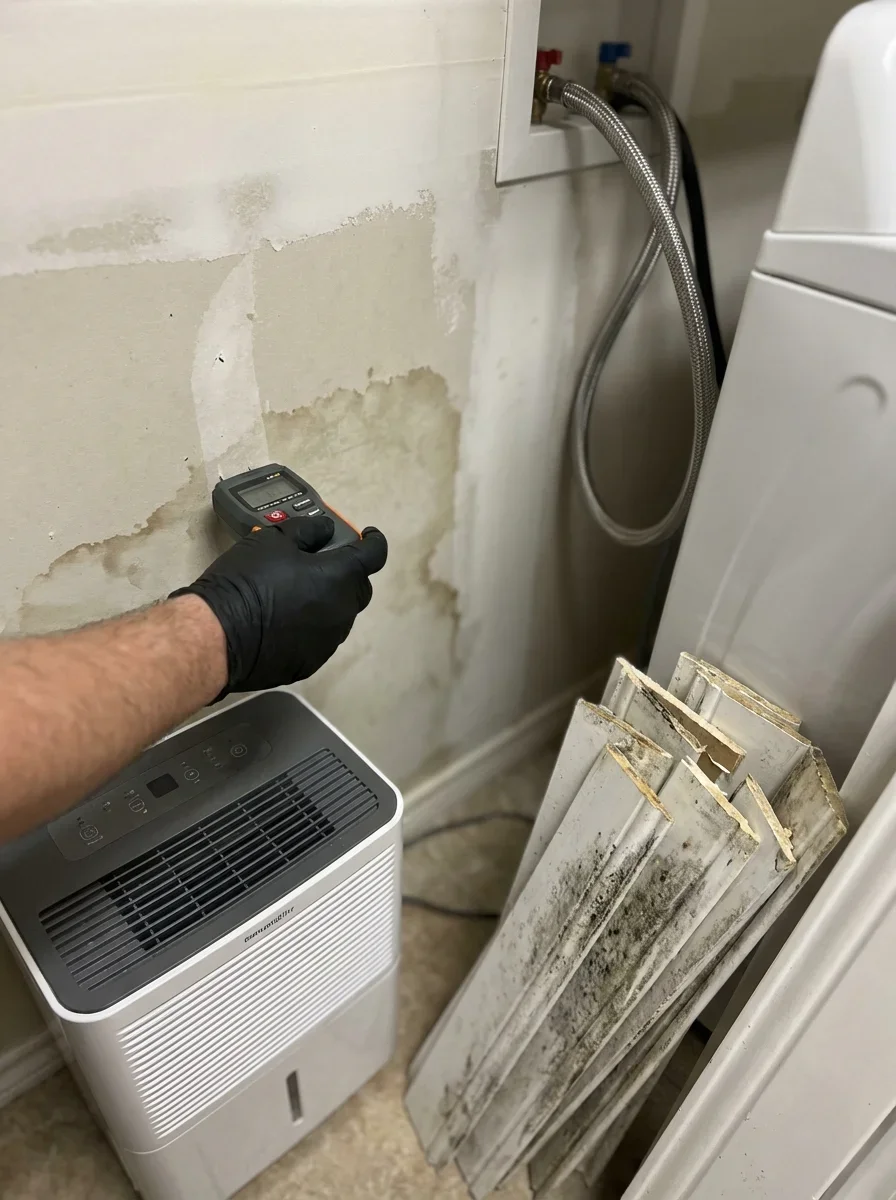
Texas insurers typically cap mold coverage at $5,000 per occurrence unless you've purchased additional coverage.[2] This became standard after the 2001 "Ballard house" case in Dripping Springs, where a $32 million mold verdict shocked insurers and triggered statewide policy rewrites.
That $5,000 barely covers a moderate bathroom mold case once you factor in demolition, TDLR-licensed remediation, and restoration.
A typical scenario: AC drain pan overflows, saturates drywall in a bedroom closet, mold grows across 40 square feet. Professional remediation costs $3,200, drywall replacement and painting adds $1,800. You're at $5,000 before addressing any HVAC cleaning or contents damage.
For context, whole-house mold remediation in a 2,000-square-foot Texas home averages $8,000-$15,000 when multiple rooms require treatment. Insurance Claim Mold Services specialists routinely document cases where sub-slab plumbing leaks — hidden for months under pier-and-beam or slab-on-grade homes — result in remediation bills exceeding $25,000 once you include structural repairs.
| Coverage Level | Annual Cost | Best For | Typical Claims Covered |
|---|---|---|---|
| Standard ($5,000) | Included | Small incidents (single room) | Burst pipe affecting bathroom, minor AC overflow |
| Mid-tier ($10,000-$25,000) | $25-$60/year | Multi-room incidents | Hidden slab leaks, attic moisture damage |
| Enhanced ($50,000+) | $75-$100/year | Older homes, flood zones | Extensive structural contamination, whole-house events |
You can purchase increased mold coverage through endorsements. Most Texas carriers offer $10,000, $25,000, or $50,000 limits for an additional $25-$100 annually depending on your home's age and location. Austin and Houston homeowners in flood-prone zones pay premium rates. Before the 2026 renewal cycle, verify your current limit — policies issued before 2002 may have higher legacy limits.
What Texas Policies Explicitly Exclude from Mold Coverage
Gradual leaks and maintenance-related moisture top the exclusion list.
If your policy adjuster determines water damage occurred slowly over time, your claim gets denied regardless of mold severity. This exclusion hits Texas homeowners hard because slab-on-grade construction — dominant in 75% of post-1980 homes — hides plumbing leaks until damage becomes extensive.
A San Antonio homeowner discovers soft flooring in the hallway. Investigation reveals a pinhole leak in the copper supply line beneath the slab, active for an estimated 8-12 months based on moisture meter readings and fungal growth patterns. Insurance denies the claim because the leak wasn't sudden, even though the homeowner had no reasonable way to detect it earlier.
The foundation repair, plumbing reroute, and whole house mold remediation cost $22,000 out of pocket.
Flood damage creates another major exclusion. Standard homeowners policies don't cover mold resulting from rising water, storm surge, or overland flooding — even during named hurricanes. Houston learned this brutally during Hurricane Harvey in 2017. Properties with 3-6 feet of standing water for days developed extensive mold, but without separate flood insurance, homeowners received nothing for remediation. Flood policies through NFIP cover structural repairs but often cap mold coverage at $5,000 separately.
These situations also fall outside coverage:
- Mold from chronic condensation due to poor ventilation
- Growth caused by deferred maintenance (rotted window sills, deteriorated caulking)
- Pre-existing mold present before your policy period
- Mold in crawl spaces or attics if no sudden water event caused it
- Construction defects allowing moisture intrusion (common in 2015-2022 Austin/DFW tract homes built during the construction boom)
Texas insurers deny approximately 30% of mold claims based on the gradual damage clause. Hidden mold cases face the highest denial rates because establishing a timeline becomes nearly impossible without documentation.
How Texas Mold Licensing Affects Your Insurance Claim
Texas requires separate TDLR licenses for mold assessment and remediation companies under the Texas Mold Assessment and Remediation Rules (TMARR). The same company cannot perform both services — by law, your assessor and your remediator must be different businesses. Verify licenses at https://www.tdlr.texas.gov/mol/mol.htm before signing any contract.
This matters for insurance claims because adjusters expect documentation from TDLR-licensed assessors.
A mold inspection performed by an unlicensed handyman or general contractor carries zero weight with carriers. You need a written report from a licensed Mold Assessment Company including moisture mapping, sample analysis, and a detailed scope of work.
Most Texas policies require you to mitigate damage promptly. If a burst pipe floods your home at 2 AM, you're expected to shut off water, extract standing water, and begin drying within hours — not days. Failure to mitigate gives insurers grounds to reduce or deny your claim. Emergency response companies offering structural drying within 2-4 hours protect your claim eligibility while preventing mold growth in the 48-72 hour window when spores colonize.
The licensing structure also affects costs. Because assessment and remediation require separate companies, you're paying for two service calls minimum. Houston-area claims typically show $450-$650 for initial assessment, then remediation bids ranging from $2,500-$12,000+ depending on affected area. Your insurer reviews both the assessment report and remediation scope before approving payment.
Filing a Successful Mold Claim in Texas
Document everything the moment you discover water damage. Take photos and videos with timestamps showing the source, extent of water, and affected materials. Insurance adjusters reviewing claims six months later need this proof that damage was sudden — not the result of a slow leak you ignored.
Call your insurance company immediately, even if you're not certain you'll file a claim.
Texas homeowners have reported that carriers flag "late reporting" as suspicious, particularly when mold appears weeks after water damage. One Dallas homeowner cleaned up a toilet overflow herself, discovered mold 18 days later, and had her claim denied because she couldn't prove the mold was related to the covered event rather than chronic humidity.
Critical First 24 Hours After Water Damage:
- Photograph/video the water source and all affected areas with timestamps
- Call your insurance company to report the incident (even before cleanup)
- Shut off water source and extract standing water immediately
- Contact a TDLR-licensed mold assessor for documentation
- Save ALL receipts for emergency services, water extraction, and drying equipment
- Do NOT begin demolition or major cleanup until adjuster inspects (except emergency mitigation)
Hire a TDLR-licensed mold assessor before starting any cleanup beyond emergency water extraction. The assessment creates an independent record of conditions, moisture levels, and contamination extent that your insurance can't dispute. Licensed assessors document moisture readings in framing, insulation, and subflooring using thermal imaging and meters calibrated to Texas humidity levels — evidence DIY cleanup destroys.
Keep every receipt.
Your policy covers reasonable costs to prevent further damage, including emergency board-up, water extraction, and temporary dehumidification. But you need documentation: itemized invoices, proof of payment, and contractor licenses. One Houston homeowner spent $1,800 on emergency drying after an AC flood, submitted credit card statements instead of invoices, and got reimbursed only $400.
Most Texas adjusters lowball initial settlement offers on mold claims. If your assessment shows remediation will cost $8,000 but the adjuster offers $4,200, you can dispute. Request the adjuster's inspection report, compare it against your licensed assessor's findings, and document any discrepancies. Many homeowners successfully negotiate by providing competing bids from TDLR-licensed remediation contractors and itemizing what the initial offer doesn't cover.
For storm damage mold remediation after hurricanes, file your flood claim and homeowners claim simultaneously but separately. If you have both policies, the flood claim covers water damage and initial cleanup while the homeowners policy may cover additional living expenses and some mold mitigation under your dwelling coverage. Understanding which policy applies to which damage prevents delays.
AC-Related Mold and Insurance Coverage in Texas Homes
Texas AC systems run 2,500+ hours annually — 50% more than the national average. Condensate drain pans, blocked drain lines, and leaking ductwork create persistent mold conditions that fall into coverage gray areas. Your policy covers mold if the AC failure was sudden, but excludes damage from poor maintenance.
A Sugar Land homeowner's AC drain line clogs during a vacation, overflows for five days, and saturates the ductwork and surrounding drywall with standing water. The adjuster approves the claim because the clog and overflow were sudden events. Mold growing in the ductwork and adjoining walls qualifies as consequential damage. The claim covers HVAC mold removal, duct replacement, and drywall restoration up to the policy limit.
Contrast that with a Plano home where the adjuster finds mold throughout the AC return plenum, condensation stains on supply vents, and evidence the drain pan has been leaking for months due to a rusted drain fitting.
The insurer denies the claim, citing deferred maintenance. The homeowner knew the AC was "acting up" but didn't service it — failure to maintain the system voids coverage even though the eventual mold growth was extensive.
Mold in air ducts represents one of the most disputed claim categories in Texas because determining whether growth resulted from sudden failure or chronic condensation requires forensic analysis. If you suspect AC-related moisture issues, document service calls, filter changes, and any professional HVAC inspections. This paper trail proves maintenance compliance when filing claims.
The 72-Hour Window and Why Timing Destroys Texas Mold Claims
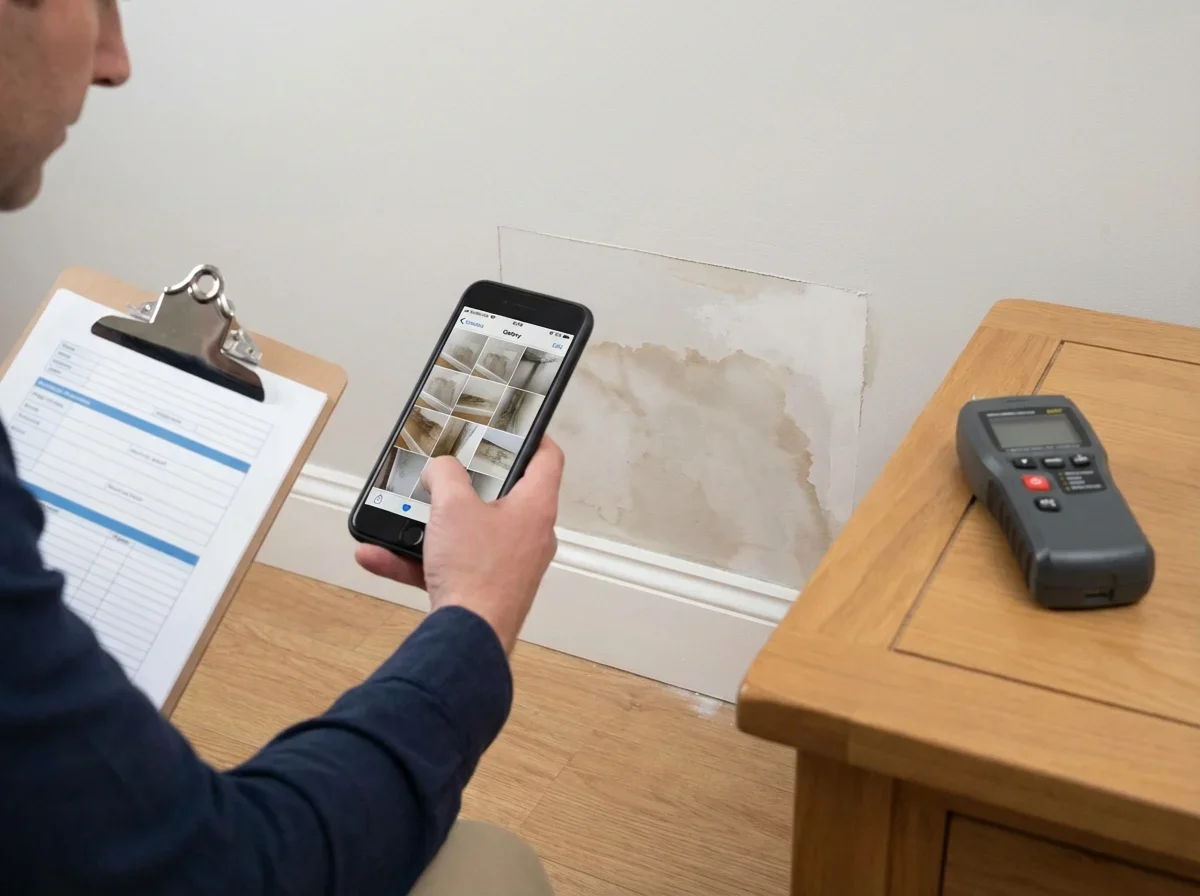
Mold spores begin colonizing within 24-48 hours in Texas humidity, but insurance claims live or die based on when you report the water damage — not when you discover the mold.
The delay between water intrusion and mold discovery is where most claims fail.
A Katy homeowner returns from a two-week vacation to discover a burst pipe flooded the master bedroom. Water has been standing for 14 days. Drywall is soft, baseboards are swollen, and mold is visible. The insurance adjuster approves the pipe burst as a covered peril, but the extensive mold growth suggests the homeowner failed to mitigate promptly. The carrier pays for drywall directly affected by water but denies mold remediation costs beyond the first 6 feet from the pipe, arguing the rest resulted from delayed cleanup.
Texas summers with 75-85% outdoor humidity and 90°F+ temperatures accelerate mold growth dramatically compared to dry climates. Materials that might take a week to colonize in Arizona show growth in 36 hours here. Adjusters know this — they expect aggressive mitigation.
Hiring emergency mold removal services within hours of discovering water damage creates documentation that you acted reasonably.
The catch: many Texas homeowners don't discover water damage immediately because it occurs in hidden locations. Plumbing under slab foundations, roof leaks into attic spaces, and slow leaks behind washing machines go unnoticed until mold smell or visible growth appears. By then, the mold has spread far beyond the initial moisture source. Your claim depends on proving the mold resulted from a recent covered event, not chronic conditions.
Professional moisture mapping within 72 hours of discovering water creates evidence the insurance company must address. One Austin homeowner's adjuster initially denied a claim, insisting water damage was old. The homeowner's licensed assessor provided thermal imaging showing moisture confined to a specific wall cavity, moisture meter readings consistent with a 3-5 day timeline, and mold lab analysis indicating early colonization.
The carrier reversed the denial and paid $7,800 in remediation costs.
Enhanced Mold Coverage: When Texas Homeowners Should Buy Up
The standard $5,000 mold limit becomes inadequate the moment water damage affects multiple rooms or penetrates structural cavities. If your home has any of these characteristics, purchasing increased mold coverage makes financial sense:
Slab-on-grade construction built before 2010 — older plumbing systems beneath slabs develop pinhole leaks that remain hidden until damage is severe. These homes sit on expansive clay in Houston, DFW, and San Antonio where seasonal soil movement stresses pipes constantly. One North Dallas homeowner with a 1995 home discovered a slab leak that had wicked moisture into wall cavities for 18+ months. Remediation cost $19,000 after removing drywall in three bedrooms, treating framing, and rerouting plumbing.
Her $5,000 policy limit covered 26% of actual costs.
Homes with chronic foundation movement — if you've had foundation work done or notice recurring drywall cracks, your slab or pier-and-beam structure is shifting. This movement breaks plumbing connections and cracks slabs, creating pathways for water intrusion. Foundation issues and water damage claims correlate strongly in Texas. Increased mold coverage to $25,000 costs $60-$80 annually but protects against the $12,000-$18,000 remediation bills common when foundation problems cause plumbing failures.
Properties in FEMA flood zones A or X — even if you carry flood insurance, the gap between flood coverage and homeowners coverage leaves you exposed. Flood policies cover structural repairs but cap mold remediation separately. After significant flooding, you'll burn through both policy limits quickly. Enhanced mold coverage on your homeowners policy creates additional capacity.
Homes built 2015-2022 in Austin/DFW growth corridors — rapid construction during the Texas population boom resulted in widespread moisture management defects. Missing vapor barriers, improper flashing, and inadequate drainage are showing up as homes age past five years. New construction mold inspection specialists in Austin report finding building envelope failures in 15-20% of tract homes from this period.
The first major rain event reveals problems, often affecting multiple rooms simultaneously.
Properties with known past mold issues — if you purchased a home with disclosed prior mold remediation, the risk of recurrence is elevated. Why mold keeps coming back usually traces to incomplete source correction. Even if the previous owner "fixed" the problem, enhanced coverage protects you if underlying moisture issues persist. Some carriers won't offer increased limits on homes with known history, so secure this coverage at purchase if possible.
For homes over $400,000, the $75-$100 annual premium for $25,000-$50,000 mold coverage is noise in your total insurance cost. One Frisco homeowner with $50,000 mold coverage had a catastrophic HVAC failure during a heat wave that saturated ductwork and surrounding framing. Total remediation reached $31,000. Her additional $85 annual premium delivered a 36,300% return on that year's investment.
What Adjusters Look for When Evaluating Texas Mold Claims
Insurance adjusters investigating Texas mold claims focus on three questions: Was the water damage sudden? Did the homeowner mitigate promptly? Is the claimed mold extent consistent with the water event timeline?
Your claim succeeds or fails based on how you answer these.
Adjusters use moisture meters and thermal imaging during inspections to map current moisture levels and identify patterns. If they find elevated moisture readings throughout the home but water damage isolated to one bathroom, they'll question whether a single toilet overflow caused the widespread mold you're claiming. Inconsistent moisture patterns suggest either multiple unreported leaks (maintenance issue) or chronic humidity problems (not covered).
Documentation gaps kill claims.
One Fort Worth homeowner had legitimate mold from a burst pipe but couldn't produce photos of the initial water damage, had no receipts for emergency water extraction, and waited nine days to call their insurance. The adjuster's report noted "lack of evidence supporting sudden loss" and "failure to mitigate," resulting in denial. The homeowner paid $6,400 for remediation that should have been covered.
Conversely, successful claimants provide:
- Dated photos/videos of the water source and damage extent
- Professional water extraction receipts within 24-48 hours
- TDLR-licensed mold assessment report with moisture mapping
- Timeline documentation showing when damage occurred vs. when mold appeared
- Evidence of prior home maintenance (HVAC service records, plumbing inspections)
Adjusters also verify that remediation scope matches assessment findings. If your assessor documents 60 square feet of contamination but your remediator bills for treating 200 square feet, the insurer will pay only for the assessed area unless the remediator provides documentation justifying the expanded scope. Licensed post-remediation verification creates a complete record that withstands scrutiny.
Texas adjusters have become skeptical after years of inflated claims and contractor fraud. One Houston-area carrier reported that 40% of mold claims submitted in 2024 showed evidence of scope inflation or charges for services not performed. Legitimate homeowners suffer when adjusters treat every claim suspiciously, but meticulous documentation overcomes this bias.
Real Estate Transactions and Mold Insurance Issues
When you're buying a Texas home, the seller's disclosure must reveal known mold issues. But "known" is the operative word. Many sellers genuinely don't know about hidden mold in attics, crawl spaces, or wall cavities — and disclosure laws don't require them to inspect for it.
Your purchase contract should include a real estate mold inspection contingency.
Pre-purchase mold inspections in Texas range from $350-$650 depending on home size and inspection scope. In Houston's humid climate with older housing stock (median home age 34 years), 18-22% of pre-purchase inspections reveal some level of mold that requires remediation before closing. Most involves attic condensation or bathroom exhaust issues — fixable for $800-$2,500.
Here's the insurance angle: if mold is found during your inspection and you proceed with purchase anyway, your insurance company may later deny coverage for that specific mold or consider it a pre-existing condition.
Get remediation completed before closing and obtain documentation that includes:
- TDLR-licensed assessor's initial report
- Remediation completion certificate
- Post-remediation clearance testing results
- Proof that underlying moisture source was corrected
This documentation protects your insurance claim eligibility if mold recurs. One Spring homeowner purchased a house with disclosed attic mold that the seller remediated. Six months later, different mold appeared in the same attic. Because the buyer had documentation proving complete remediation and source correction before purchase, the insurance company covered the new growth as a separate event. Without that documentation, the claim likely would have been denied as pre-existing.
For sellers, existing mold doesn't necessarily prevent a sale, but it affects marketability and price. Most buyers demand credit or completion of mold remediation before closing. In seller's markets like Austin 2021-2022, some buyers waived mold inspections — many later regretted it when insurance companies denied coverage for problems that existed at purchase.
Hurricane and Storm-Related Mold Coverage for Texas Coastal Homes
Gulf Coast homeowners face unique mold insurance challenges after hurricane events. Wind and rain damage from named storms qualifies as a covered peril, but the mold that develops afterward exists in a gray zone between wind/rain coverage, flood coverage, and maintenance responsibilities.
Hurricane wind tears off shingles, rain intrudes through the damaged roof, and your interior suffers water damage. Your homeowners policy covers the roof repair and interior water damage including mold remediation — assuming you document everything and mitigate promptly.
But if that same hurricane causes a storm surge that floods your home with 2 feet of standing water, the resulting mold falls under flood insurance (if you have it) or goes uncovered entirely.
Most coastal Texas homeowners carry separate windstorm coverage through the Texas Windstorm Insurance Association (TWIA) for named storm wind damage. TWIA policies handle wind-driven rain intrusion differently than standard homeowners policies. After Hurricane Beryl in 2024, Galveston homeowners with TWIA coverage discovered that mold resulting from wind-damaged roofs qualified for remediation coverage, but the $5,000 mold limit applied after dwelling repair costs. Many burned through total policy limits on structural repairs before addressing mold.
Storm damage mold remediation must begin within days of the event or you risk denial for failure to mitigate. After Harvey, Houston experienced such overwhelming demand for remediation services that homeowners waited 3-6 weeks for contractors. Many had claims reduced or denied because they couldn't prove they acted reasonably to prevent mold when professionals were unavailable.
Document your attempts to hire contractors — emails, phone logs, declined bids — as evidence you tried to mitigate even when services weren't accessible.
The other complication: assignment of benefits (AOB). After major storms, remediation companies offer to handle your entire claim, have you sign an AOB giving them rights to negotiate with your insurer, and promise you'll pay nothing out of pocket. Some legitimate companies operate this way, but fraud is rampant. Multiple Texas homeowners have reported companies inflating scopes, performing unnecessary work, and billing amounts far exceeding reasonable costs — leaving homeowners liable for the difference when insurance pays the actual cash value.
Never sign an AOB without reading your policy's prohibition clauses (many Texas policies now forbid AOB for mold claims) and consulting with your insurance agent. Instead, maintain control of your claim, submit your own documentation, and pay contractors directly after insurance reimbursement.
Common Texas Mold Claim Denial Reasons and How to Appeal
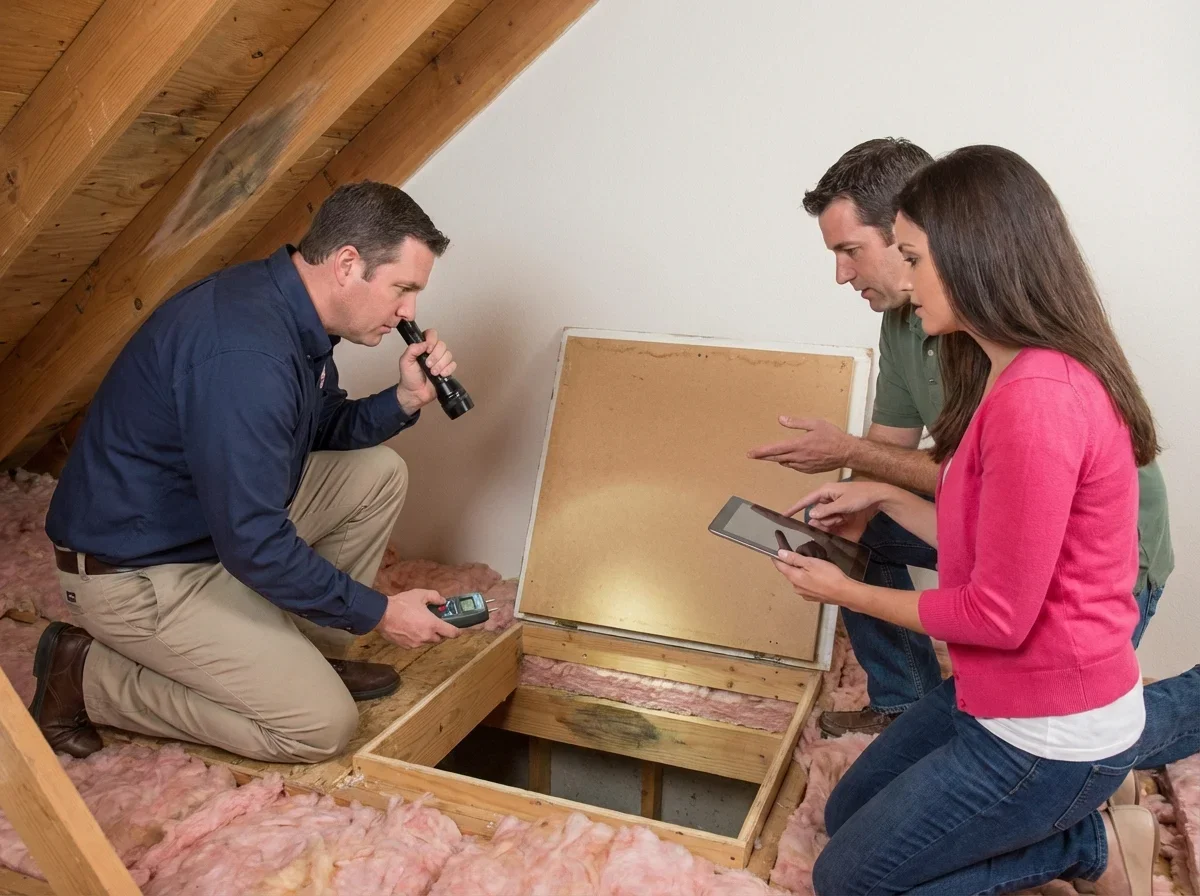
Texas insurers deny mold claims for five primary reasons, all of which you can potentially overcome with proper documentation and escalation.
"Gradual leak/maintenance issue" — the most common denial. Your insurer claims water damage occurred slowly over time, not suddenly. Counter this by providing evidence the leak was recent: photos of undamaged areas taken weeks earlier, HVAC service records showing no issues during recent maintenance, or contractor statements identifying a specific failure point (corroded fitting, cracked pipe, failed seal).
One Corpus Christi homeowner overturned this denial by providing security camera footage showing a utility room with no visible water on Tuesday, then flooding on Thursday when a water heater supply line burst.
"Pre-existing condition" — the adjuster argues mold existed before the claimed water event. Lab analysis helps here. Mold species and growth patterns indicate age. Early colonization shows as surface discoloration; advanced growth penetrates materials and produces visible spores. A licensed assessor can differentiate between mold that's been growing for months versus weeks. Include air quality data from the indoor air quality testing performed immediately after water damage to prove spore levels were normal before the event.
"Failure to mitigate" — you didn't act quickly enough to prevent mold after discovering water. Document your mitigation timeline meticulously. If you discovered damage Saturday night and called professional services Monday morning, that's reasonable. If you discovered damage and decided to "wait and see" for two weeks, you've lost coverage.
Show that you extracted water, ran dehumidifiers, and attempted to dry materials even if mold still developed. Texas humidity defeats even aggressive DIY drying — demonstrate your efforts.
"Scope exceeds covered damage" — the insurer approves some remediation but claims your contractor is billing for more work than necessary. This happens when contractors expand scope during work without getting adjuster approval. If your licensed assessor originally documented contamination in a 10×10 bedroom closet but remediation involves removing drywall in the entire bedroom, your contractor should have called for a supplemental inspection before proceeding. Without documentation justifying the expansion, insurance pays only for the original scope.
"Mold exceeds policy limit" — not technically a denial, but the insurer pays your $5,000 limit and you're responsible for remaining costs. You can't appeal this unless you purchased higher limits, but you can negotiate. Some carriers allow combining dwelling coverage with mold sub-limits when source repairs are extensive. If fixing the underlying leak requires $3,000 in plumbing work (covered under dwelling) and mold remediation costs $7,000, you might argue for $3,000 from dwelling coverage plus your full $5,000 mold limit to cover $8,000 total, leaving you with $2,000 out of pocket instead of $5,000.
Pro Tip: Texas Insurance Code requires carriers to acknowledge claims within 15 days and approve/deny within 15 days of receiving all documentation (extended to 30 days during catastrophic events). If your claim is denied, you have the right to appeal through your carrier's internal process, then escalate to the Texas Department of Insurance if unsatisfied. TDI's consumer helpline (1-800-252-3439) assists with disputed claims and can trigger regulatory review of your carrier's practices.
File your appeal in writing within the timeframe specified in your denial letter (typically 60-180 days). Include all documentation the initial review lacked: updated contractor estimates, competing bids, additional photos, expert opinions from TDLR-licensed professionals, and point-by-point rebuttals of the adjuster's findings. About 30% of Texas mold claim appeals result in some level of additional payment, even if not full reversal.
The Cost Difference Between Covered and Uncovered Mold in Texas
When insurance covers your mold, you pay your deductible (typically $1,000-$2,500 for Texas homeowners) and the carrier handles costs up to your mold limit.
When they deny coverage, you're paying full freight — and the difference is staggering.
A moderate mold case involving a bathroom and adjacent bedroom affected by a burst pipe:
- Licensed TDLR assessment: $495
- Containment setup and air filtration: $800
- Removal of contaminated drywall, insulation, baseboards: $2,100
- Antimicrobial treatment and encapsulation: $950
- Drywall replacement and painting: $1,800
- Baseboard and trim reinstallation: $650
- Total: $6,795
With coverage: You pay your $1,500 deductible, insurance pays $5,000, you pay $295 balance = $1,795 total out of pocket.
Without coverage: $6,795 total out of pocket.
For a severe case involving hidden mold throughout multiple rooms:
- Comprehensive assessment with air testing: $850
- Containment and negative air: $1,400
- Demolition (multiple rooms): $4,800
- Full remediation and treatment: $7,200
- Contents cleaning and restoration: $2,900
- Reconstruction: $9,100
- Total: $26,250
With $25,000 enhanced coverage: You pay your $2,000 deductible, insurance pays $24,250, you pay $2,000 balance = $4,000 total out of pocket.
Without coverage: $26,250 total out of pocket.
The financial impact extends beyond remediation. Many Texas homeowners facing uncovered mold damage can't afford full professional remediation. They attempt DIY cleanup that fails to address contamination in wall cavities or doesn't correct moisture sources.
Six months later, mold returns — now with an insurance history that makes future claims suspect.
Incomplete remediation also affects resale value. Home inspectors flag prior mold issues, buyers demand disclosures, and homes sell for 3-8% less than comparable properties without mold history.
Questions Homeowners Should Ask Their Texas Insurance Agent
Don't wait until you have water damage to understand your mold coverage. Ask these questions during your next policy review:
What's my current mold coverage limit? Many Texans don't realize they have the standard $5,000 cap until they file a claim. Know your limit now so you can decide whether to increase it.
What documentation do I need if I have water damage? Get your carrier's specific requirements in writing: photo guidelines, reporting timeframes, preferred contractor lists (you're not obligated to use them, but knowing helps), required assessment certifications. One San Marcos homeowner saved her claim by following her carrier's exact documentation protocol — she had confirmation she'd complied when they tried to deny based on insufficient evidence.
Does my policy require same-company estimates or can I choose my contractor? Some Texas insurers require you to get their preferred vendor's estimate before hiring your own contractor. Others let you choose freely but require competitive bids. Understanding this before you have damage prevents delays during mitigation windows.
How does my policy handle the gap between flood and homeowners coverage? If you're in a flood zone and carry both policies, your agent should explain which policy covers what percentage of mold after flooding. Many homeowners discover too late that neither policy covers certain scenarios fully.
What's the appeals process if my claim is denied? Know the timeline and procedure now. Some carriers require internal appeals within 60 days; others allow longer. Missing deadlines forfeits your rights.
Will filing a mold claim affect my premiums or insurability? Texas allows carriers to non-renew policies after claims, though regulations limit this practice. Some insurers treat a single mold claim as acceptable; others consider it high-risk. One Houston homeowner filed a $4,200 mold claim, got paid in full, then received a non-renewal notice. She ended up in the Texas FAIR Plan at triple her previous premium.
Understanding your carrier's claim policy helps you decide whether to file smaller claims or pay out of pocket.
What additional endorsements make sense for my property type and location? Beyond increased mold limits, consider water backup coverage (separate from mold, covers sewage backups common in older Houston/DFW neighborhoods), equipment breakdown coverage (covers AC/water heater failures), and service line coverage (covers underground plumbing). These endorsements prevent gaps between covered perils and real-world failure modes.
Your agent's willingness to answer these questions thoroughly indicates how they'll support you during a claim. If they're dismissive or vague, consider whether you have the right advocate when you need one most.
- Texas Department of Insurance. "When are water damage and mold covered by insurance?." https://www.tdi.texas.gov/tips/when-are-water-damage-and-mold-covered-by-insurance.html. Accessed April 02, 2026.
- United Policyholders. "Mold Contamination Insurance Coverage 101: The Basics." https://uphelp.org/claim-guidance-publications/mold-contamination-insurance-coverage-101-the-basics/. Accessed April 02, 2026.